


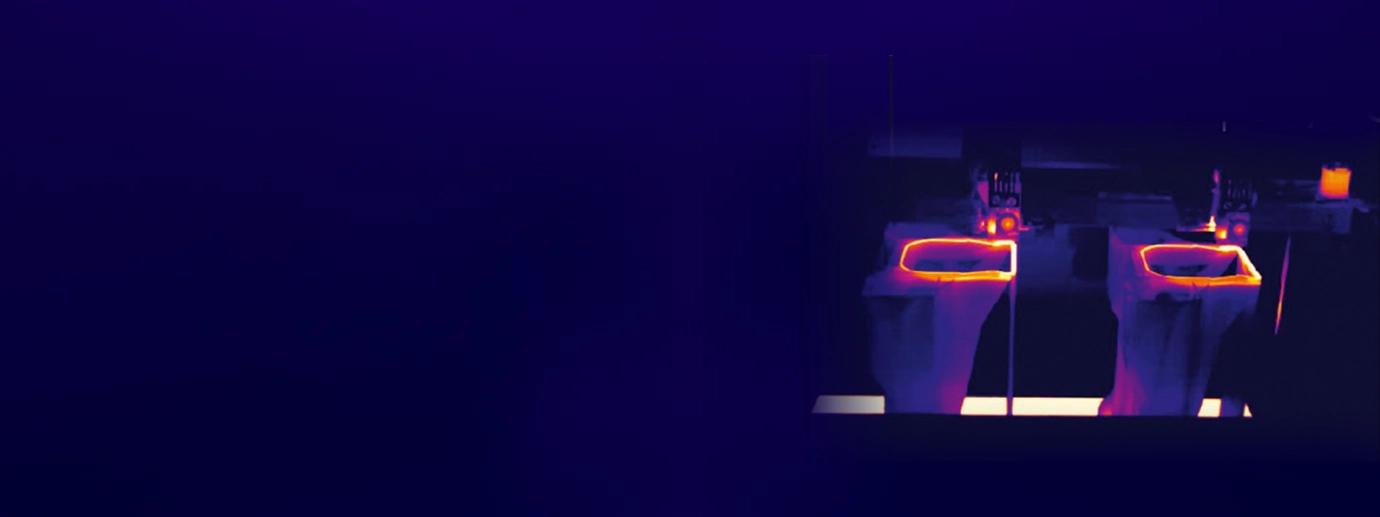
IR Cameras & Pyrometers for 3D Printing & Additive Manufacturing
Real-Time Thermal Analysis for Material Consistency
The Importance of IR Temperature Measurement for 3D Printing & Additive Manufacturing
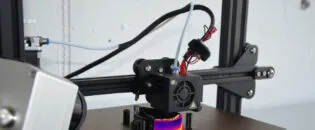
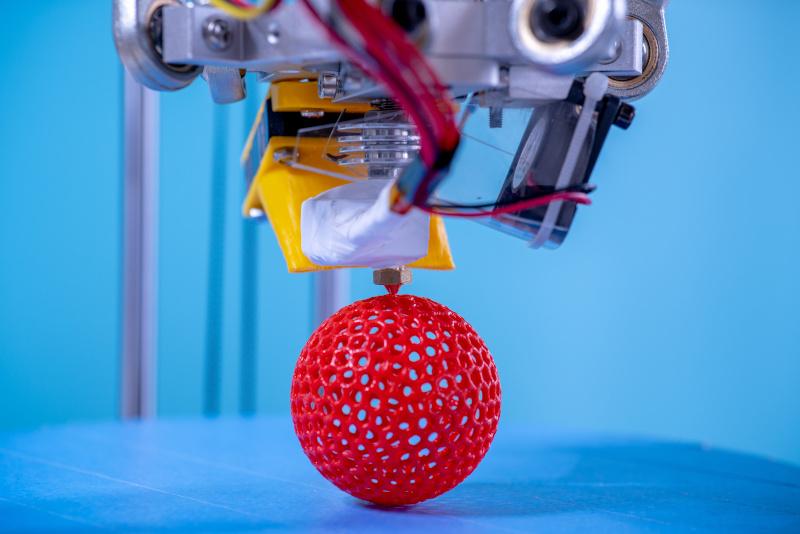
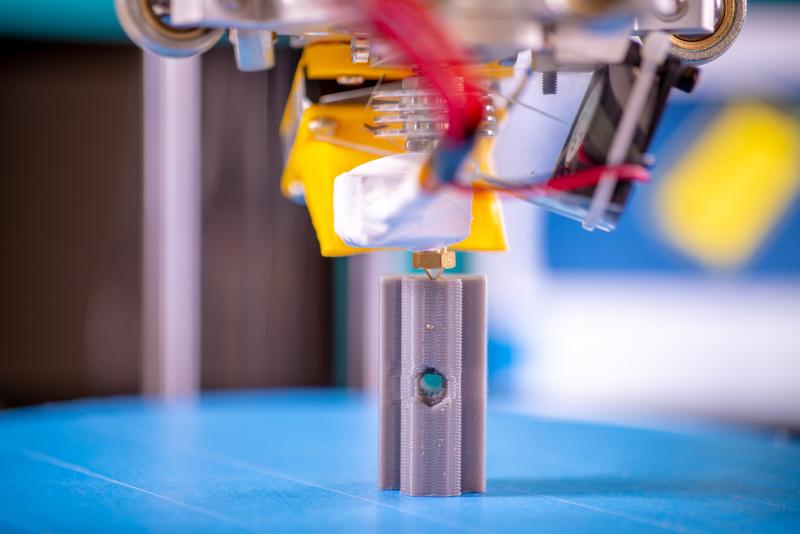
IR temperature measurement is crucial in 3D printing and additive manufacturing to ensure high-quality outputs and process efficiency. In techniques such as Fused Filament Fabrication (FFF / FDM), precise temperature control of the filament is essential for achieving proper extrusion and layer bonding. IR sensors monitor the temperature of the extruded material in real-time, preventing issues like under-extrusion or over-extrusion that could affect the structural integrity of the printed part.
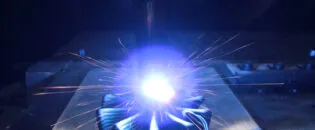
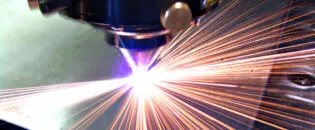
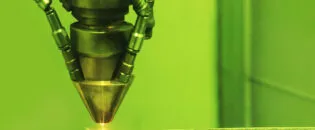
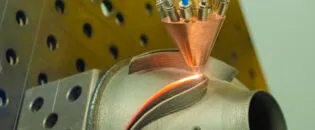
For advanced methods like Laser Powder Bed Fusion (LPBF) and Selective Laser Melting, accurate temperature measurement is vital to maintain optimal thermal conditions and avoid defects such as warping or incomplete melting. Similarly, in Laser Metal Deposition (LMD), controlling the temperature of the molten material ensures proper material fusion and bonding, which is critical for creating durable and reliable components.
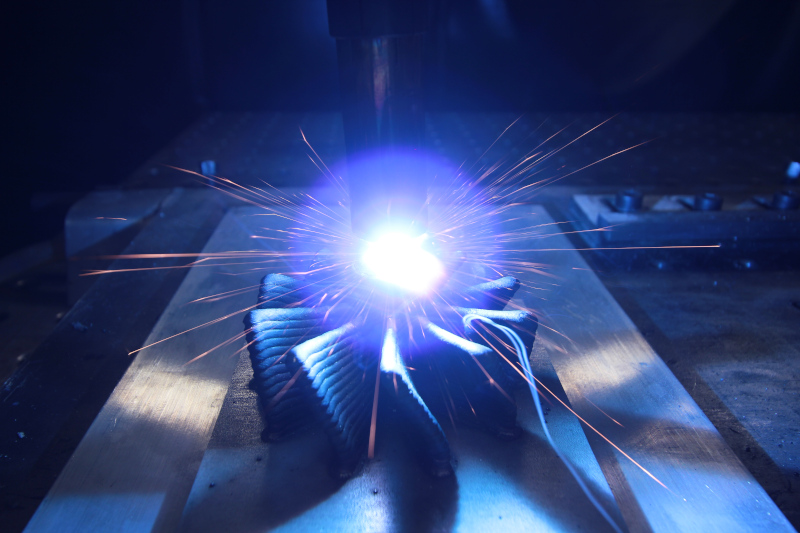
In Cladding / Wire Arc Additive Manufacturing (WAAM), IR technology assists in monitoring the temperature of the weld pool and deposited layers, which helps in managing the heat input and ensuring consistent quality. The quality assurance and inspection of 3D-printed components rely heavily on accurate thermal data to detect anomalies early and maintain high standards of production. Overall, integrating IR temperature measurement into these processes enhances precision, reduces defects, and improves the overall efficiency and reliability of additive manufacturing.
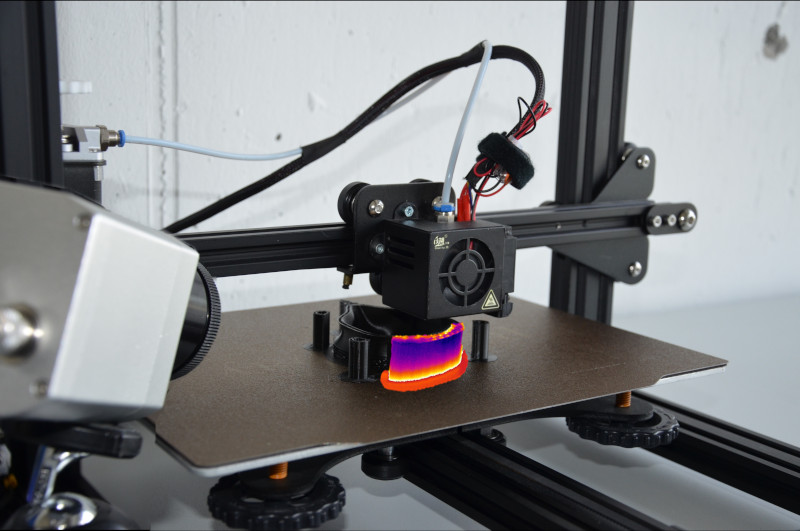
3D Printing & Additive Manufacturing Applications
Challenges of IR Non-Contact Temperature Measurement in 3D Printing & Additive Manufacturing
IR non-contact temperature measurement in 3D printing and additive manufacturing faces several unique challenges. Material-specific emissivity variations pose a significant issue, as emissivity can differ markedly between materials like filaments in Fused Filament Fabrication (FFF / FDM) and powders in Laser Powder Bed Fusion (LPBF). Accurate temperature readings require precise calibration of IR sensors for each material to avoid discrepancies.
Additionally, dynamic environments in additive manufacturing, such as those found in Laser Metal Deposition (LMD), involve rapid temperature fluctuations due to varying laser intensities and cooling rates. This variability demands advanced calibration and sensor technology to maintain accuracy. Infrared transparency of intermediate layers can also obstruct accurate temperature measurement, particularly in processes like Selective Laser Melting and Cladding / Wire Arc Additive Manufacturing (WAAM), where coatings or layers may be IR-transparent or reflective
Furthermore, interference from laser reflections in processes such as LPBF can distort IR readings, requiring careful sensor alignment and filtering techniques.
Lastly, thermal emissions from surrounding equipment can impact IR sensor performance, making it essential to use effective shielding and strategic placement to isolate and measure temperatures accurately. Addressing these challenges is crucial for enhancing the precision and reliability of temperature measurements in 3D printing and additive manufacturing.
Benefits of IR Non-Contact Temperature Measurement in 3D Printing & Additive Manufacturing
IR non-contact temperature measurement significantly enhances the quality assurance and inspection of 3D-printed components by providing real-time temperature data. In Fused Filament Fabrication (FFF / FDM), IR sensors monitor the filament’s temperature to ensure it is extruded correctly for optimal layer adhesion. Similarly, in Laser Powder Bed Fusion (LPBF), IR cameras detect temperature anomalies that could indicate defects, allowing for timely corrective actions and ensuring the final product meets high-quality standards.
The technology also improves process control and efficiency in methods like Selective Laser Melting and Cladding / Wire Arc Additive Manufacturing (WAAM). IR sensors help maintain consistent thermal profiles, which are crucial for process stability. By monitoring the temperature of the build area or molten pool, IR technology ensures materials are processed under optimal conditions, reducing defects and enhancing efficiency. This precise control minimizes material waste and improves the overall performance and reliability of the final product.
Moreover, IR temperature measurement is essential for risk reduction and fire prevention. In high-heat processes such as Laser Metal Deposition (LMD), continuous temperature monitoring allows IR sensors to detect overheating and potential fire hazards early. This proactive approach enables immediate intervention, preventing dangerous situations, reducing the risk of equipment damage, and ensuring a safer manufacturing environment.
Efficiency Gains from IR Temperature Measurement
IR cameras and pyrometers significantly boost efficiency in 3D printing and additive manufacturing by providing real-time temperature monitoring, which ensures optimal process conditions and enhances quality control. By accurately measuring temperatures in processes like Fused Filament Fabrication (FFF) and Laser Powder Bed Fusion (LPBF), IR cameras prevent overheating and material defects, reducing waste and rework.
They also enable precise thermal management, which improves the consistency and performance of 3D-printed components. In Selective Laser Melting and Cladding / Wire Arc Additive Manufacturing (WAAM), IR cameras help maintain ideal thermal profiles, leading to better material bonding and reduced defect rates. This proactive approach to temperature management minimizes downtime and costly errors, leading to increased production efficiency.
Overall, IR cameras and pyrometers streamline the additive manufacturing process, providing critical data that supports improved quality assurance, faster production cycles, and cost savings. By integrating IR technology, manufacturers can achieve higher accuracy, greater reliability, and enhanced overall productivity.
Recommended Products







What Is the Right Solution for My Needs?
Click here to find the product that suits your demands.
Downloads

Talk to us about your IR Temperature Measurement Requirements
There are over 300 different pyrometer variants to choose from in the Optris infrared pyrometer portfolio each optimized for material, spot size, distance from the target, and environmental conditions. Fortunately, there is a trained engineer to phone or chat with to guide you through the process of choosing the perfect infrared sensor for your application.
The same support is available for the extensive IR camera product line.
