


IR Temperature Measurement for Electrode Wear Detection in Metal Processing
Implementing Thermal Cameras for Electrode Wear Detection in Metal Processing for Energy Savings and Process Control
Challenge
In Electric Arc Furnaces, electrode wear is difficult to monitor due to high temperatures, variable scrap quality, and inadequate visual inspection methods, leading to inefficient energy use, premature electrode replacement, and potential failures during production.
Solution
By applying short-wavelength infrared cameras, continuous real-time monitoring of electrode tip temperature enables early detection of wear and anomalies, allowing operators to adjust oxygen and cooling flows promptly without production interruption, thus optimizing furnace operation.
Benefits
- Prevents unplanned downtime by identifying critical wear before failure occurs
- Reduces energy and oxygen consumption through precise process control
- Extends electrode lifespan by optimizing cooling and operational parameters
- Enhances safety and stability in high-temperature furnace environments
- Enables predictive maintenance with continuous, real-time thermal data analysis
Motivating Factors for Implementing Temperature Measurement for Electrode Wear Detection
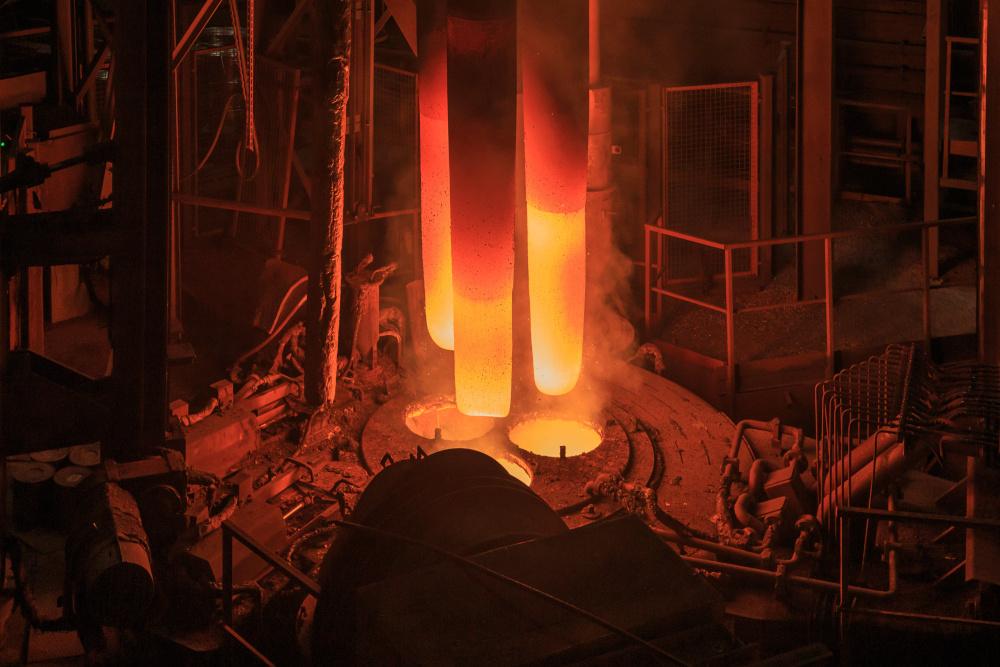
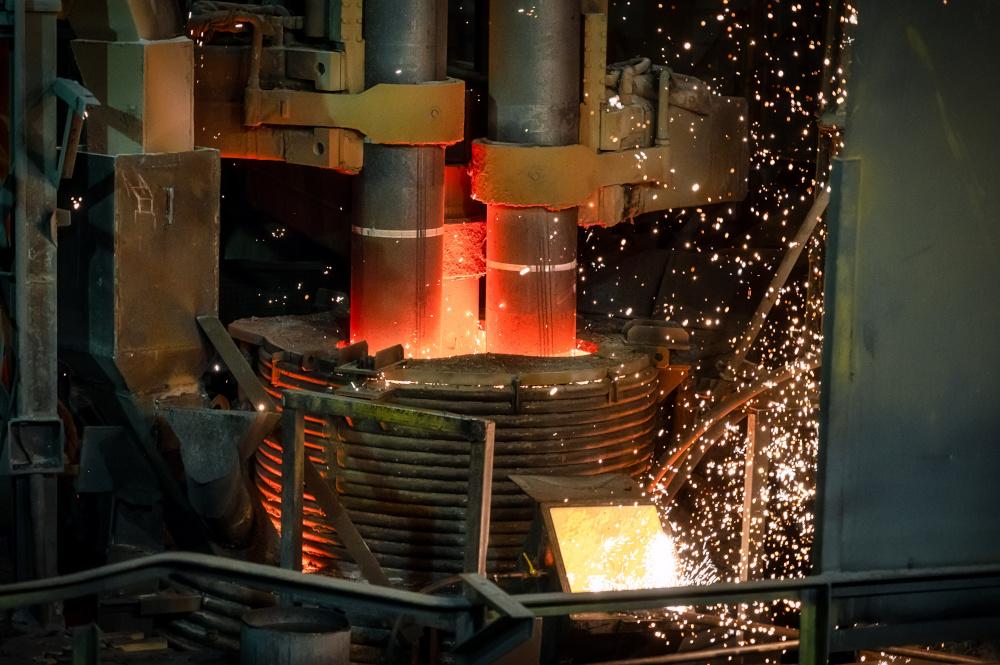
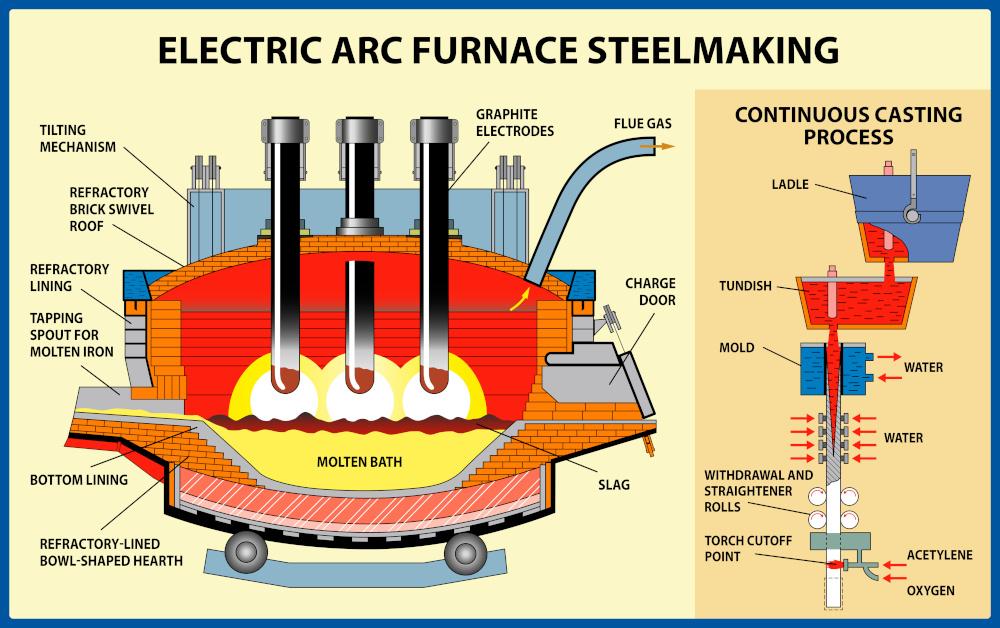
The process of electrode wear in metal processing, particularly in Electric Arc Furnaces (EAF), presents significant challenges due to the high temperatures and varying scrap quality involved. Electrodes made from graphite are subjected to extreme conditions, resulting in wear that can impact the efficiency of the melting process. Monitoring the temperature of electrodes, especially at the tips, is critical as it provides indirect information about their wear and the interaction with the molten steel. This temperature data allows for better control over energy consumption and helps prevent unexpected electrode failure.
The furnace operator needs help with varying scrap quality, influencing the energy required for melting. Scrap with higher oxide content increases the resistance of the electrical arc, requiring more power to melt. Traditional methods of visually inspecting electrode wear are inadequate, leading to inefficient energy use and premature electrode replacement. Precise temperature measurement is necessary to optimize the process, reduce energy consumption, and extend the lifespan of electrodes.
Implementing infrared temperature measurement is crucial because it allows continuous monitoring of the electrode’s wear without halting production. By identifying temperature variations in real-time, operators can adjust the oxygen and cooling flow, significantly improving process control and reducing operational costs.
Using Shortwavelength Infrared Cameras for Electrode Wear Monitoring
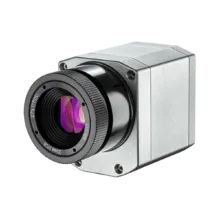
Gerdau Corsa México partnered with INGFRAMEX and Optris to implement an advanced infrared temperature measurement system to address the challenge of electrode wear in the Electric Arc Furnace process. The chosen solution was the Optris PI 1M thermal camera, specifically designed for high-temperature industrial applications. This model operates in a short wavelength range, between 500 nm and 540 nm, significantly reducing measurement inaccuracies commonly found in long-wavelength cameras when dealing with reflective materials like graphite electrodes. The PI 1M is capable of measuring temperatures between 850 °C and 1600 °C (1562 °F and 2912 °F), ideal for monitoring the intense heat at the electrode tips.
The setup involves multiple PI 1M cameras strategically placed around the EAF to achieve comprehensive 360-degree monitoring of the electrodes. These cameras are housed in rugged cooling jackets, protecting them from the extreme heat, dust, and harsh environment typical of the furnace area. The cooling system ensures the longevity of the camera hardware, even when positioned close to the electrodes. Additionally, the cameras have borosilicate glass windows that can withstand high temperatures while allowing clear, undistorted infrared data capture.
Data from the cameras is transmitted through a Profinet industrial communication bus, which is integrated into the plant’s existing control system. The cameras are connected to a centralized server via a USB-to-Ethernet converter, allowing the data to be stored and analyzed in real-time. Using the PIX Connect software, the thermal cameras continuously monitor temperature fluctuations along the electrode, focusing on key wear areas. The software’s built-in homogeneity function helps detect anomalies in the temperature distribution, triggering alarms when critical thresholds are exceeded, allowing for immediate corrective action.
This system provides the customer with detailed thermal imaging data that can be analyzed for predictive maintenance. The high resolution of the PI 1M camera, combined with the ability to integrate custom alarms and triggers, enables early detection of potential issues such as cracks or irregular wear on the electrodes. This real-time monitoring system improves process control, reduces energy and oxygen consumption, and extends the lifespan of the electrodes, enhancing overall operational efficiency.
Benefits of Continuous Temperature Monitoring in Electrode Wear Detection
The implementation of Optris PI 1M infrared cameras for electrode wear monitoring has brought significant improvements to Gerdau Corsa México’s metal processing operations. The ability to continuously monitor electrode temperature in real time has allowed the customer to optimize their energy usage, reduce oxygen consumption, and extend the lifespan of the electrodes. By identifying temperature irregularities early, the plant can make informed adjustments to the cooling and oxygen flow, preventing electrode failures and costly production downtime.
One of the key benefits of using the Optris solution is the reduction in energy consumption. By closely monitoring the wear and tear on the electrodes, the customer can ensure that the process operates efficiently, reducing the overall energy needed to melt scrap metal. This has resulted in cost savings and improved sustainability of the operation.
Optris was selected as the preferred partner due to the flexibility of its thermal imaging technology, ease of integration with existing systems, and the affordability of the solution. The combination of high-resolution temperature measurement, robust hardware, and reliable software made Optris the ideal choice for this application. With the support of INGFRAMEX, the customer has been able to implement a scalable, future-proof solution that enhances the overall productivity and profitability of their metal processing operations.
Recommended Products






Other Condition Monitoring Applications




Talk to us about your IR Temperature Measurement Requirements
There are over 300 different pyrometer variants to choose from in the Optris infrared pyrometer portfolio each optimized for material, spot size, distance from the target, and environmental conditions. Fortunately, there is a trained engineer to phone or chat with to guide you through the process of choosing the perfect infrared sensor for your application.
The same support is available for the extensive IR camera product line.
