


IR Cameras & Pyrometers for Plastic industry
Infrared Solutions for Sustainable Plastic Manufacturing
The Critical Role of IR Temperature Measurement in the Plastic Industry
In the plastic industry, infrared (IR) temperature measurement is essential for optimizing production processes and ensuring high-quality outputs. Accurate temperature control is crucial during plastic molding, extrusion, and cooling. Infrared thermometers and cameras provide precise, non-contact measurements that are indispensable in these high-temperature environments.
IR temperature measurement helps in monitoring the molding process, where maintaining optimal temperatures is vital to avoid defects like warping and inconsistent product quality. By providing real-time data, IR sensors enable manufacturers to make immediate adjustments, ensuring that plastic products meet stringent specifications.
During the extrusion process, accurate thermal monitoring ensures that plastic melts evenly and flows consistently, which is key to producing uniform profiles and avoiding material wastage. IR cameras also play a significant role in cooling applications, where precise temperature control prevents stress and deformation in cooling plastics.
Additionally, IR temperature measurement enhances energy efficiency by optimizing heating and cooling systems. This leads to reduced operational costs and improved sustainability. Overall, integrating IR technology into plastic manufacturing processes enhances quality control, reduces defects, and boosts production efficiency, making it a critical tool in modern plastic industry operations.
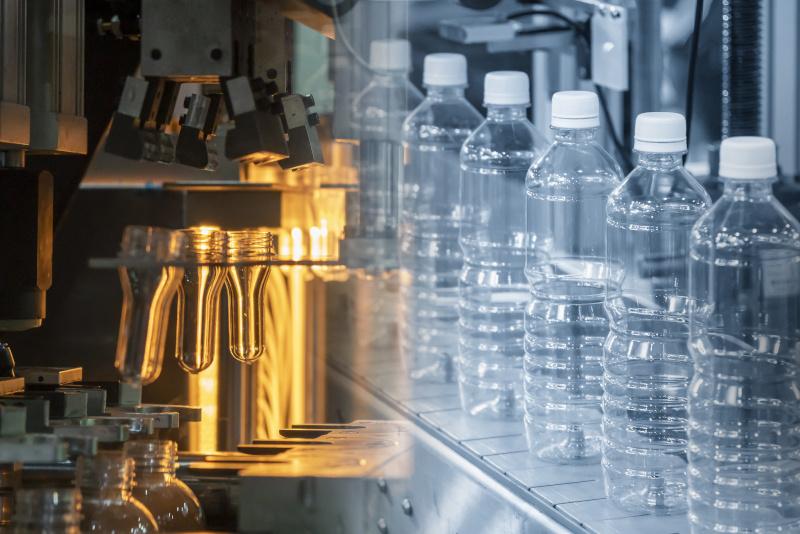
Plastic Applications





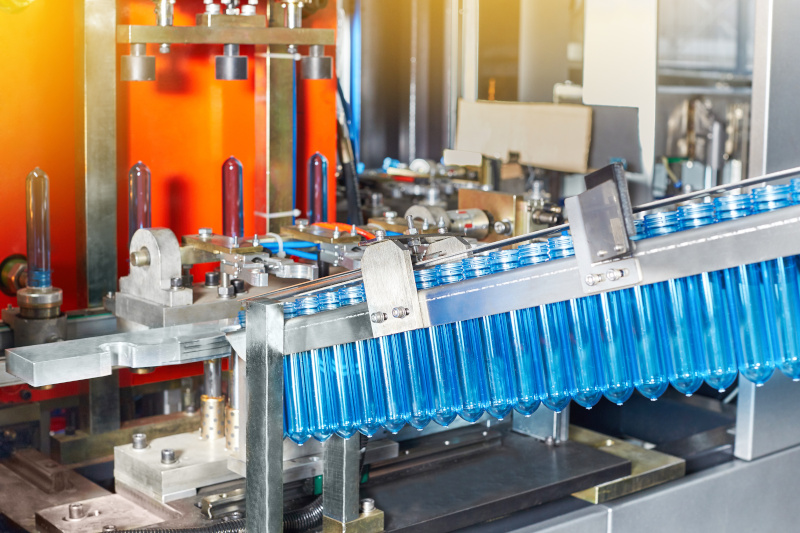
Challenges of IR Non-Contact Temperature Measurement in the Plastic Industry
Infrared (IR) non-contact temperature measurement faces specific challenges in the plastic industry. One significant issue is emissivity variation. Plastics exhibit different emissivity levels depending on their type and surface finish, which can affect the accuracy of IR sensors. Calibrating IR devices to account for these variations requires meticulous adjustment and regular calibration to maintain reliable readings.
High ambient temperatures in processes like molding and extrusion can interfere with IR measurements. The presence of heat from nearby equipment or other processes may affect the sensor’s accuracy. Ensuring the IR equipment is shielded from excessive heat and adjusting for these environmental factors are crucial for obtaining precise measurements.
Surface reflectivity is another challenge. Plastic surfaces can be highly reflective, which may lead to erroneous readings. Proper calibration and the use of advanced IR sensors with adjustable emissivity settings are necessary to mitigate the impact of surface reflectivity on measurement accuracy.
Benefits of Infrared Non-Contact Temperature Measurement
Despite these challenges, IR non-contact temperature measurement offers numerous benefits in the plastic industry. Real-time monitoring is a major advantage. IR cameras and pyrometers provide immediate temperature data, enabling swift adjustments during plastic molding and extrusion. This real-time capability ensures that temperature variations are corrected promptly, leading to improved product consistency and quality.
Enhanced quality control is another benefit. IR sensors allow for precise temperature management, which is critical in avoiding defects such as warping, uneven cooling, or material inconsistencies. By maintaining optimal temperatures, manufacturers can achieve superior product quality and reduce the likelihood of production errors.
Improved energy efficiency is also a significant advantage. By accurately monitoring temperatures, IR technology helps in optimizing heating and cooling processes, leading to reduced energy consumption and lower operational costs. Efficient temperature management contributes to more sustainable manufacturing practices and enhances overall production efficiency.
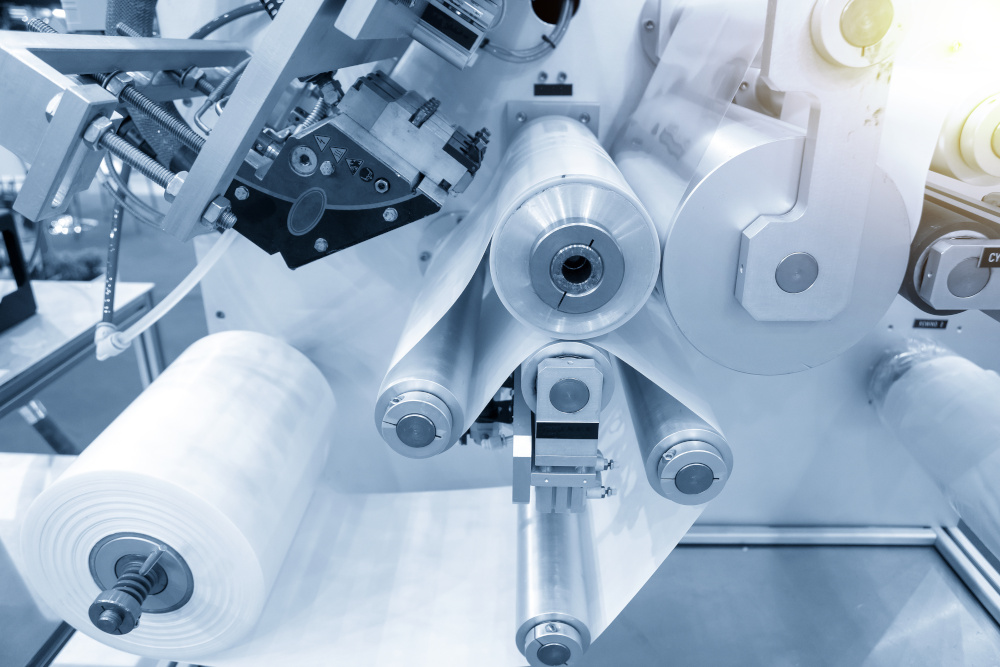
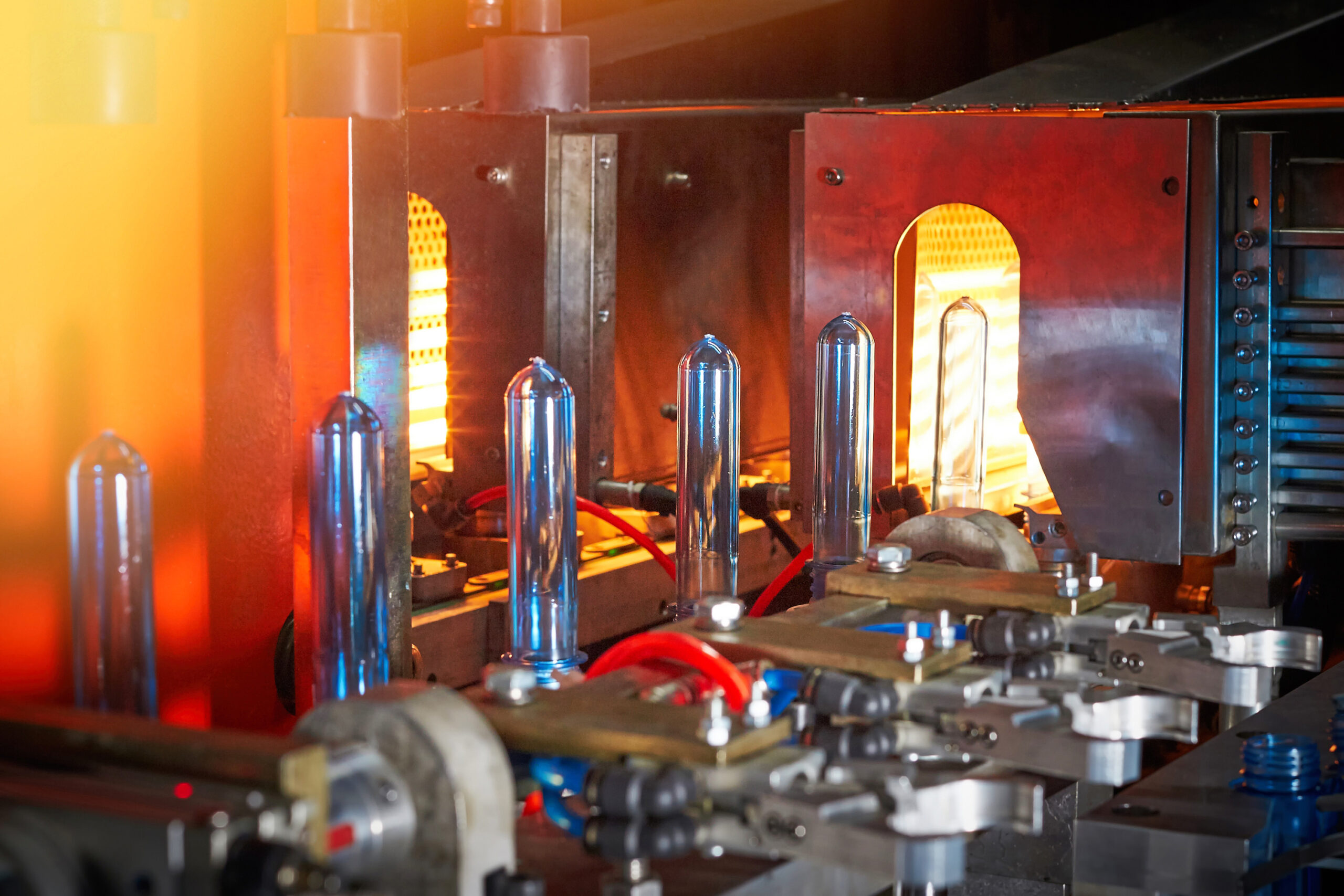
Applications and Efficiency Gains
Infrared non-contact temperature measurement offers substantial efficiency gains across various applications in the plastic industry. In plastic molding, IR sensors monitor and control temperatures in molds to ensure consistent material flow and prevent defects. For extrusion processes, IR cameras provide real-time thermal profiles, helping to manage the melting and cooling of plastics effectively, ensuring uniform product quality.
During cooling, IR technology helps monitor temperature gradients and adjust cooling rates to prevent stress and deformation in plastic products. This capability leads to more efficient cooling processes and higher product integrity.
Overall, integrating IR temperature measurement into plastic manufacturing processes streamlines operations, reduces waste, and enhances product quality. By leveraging advanced IR technology, manufacturers can achieve more precise temperature control, optimize production efficiency, and improve the sustainability of their operations.
What Is the Right Solution for My Needs?
Click here to find the product that suits your demands.

Talk to us about your IR Temperature Measurement Requirements
There are over 300 different pyrometer variants to choose from in the Optris infrared pyrometer portfolio each optimized for material, spot size, distance from the target, and environmental conditions. Fortunately, there is a trained engineer to phone or chat with to guide you through the process of choosing the perfect infrared sensor for your application.
The same support is available for the extensive IR camera product line.
