


Early Fire Detection (EFD)
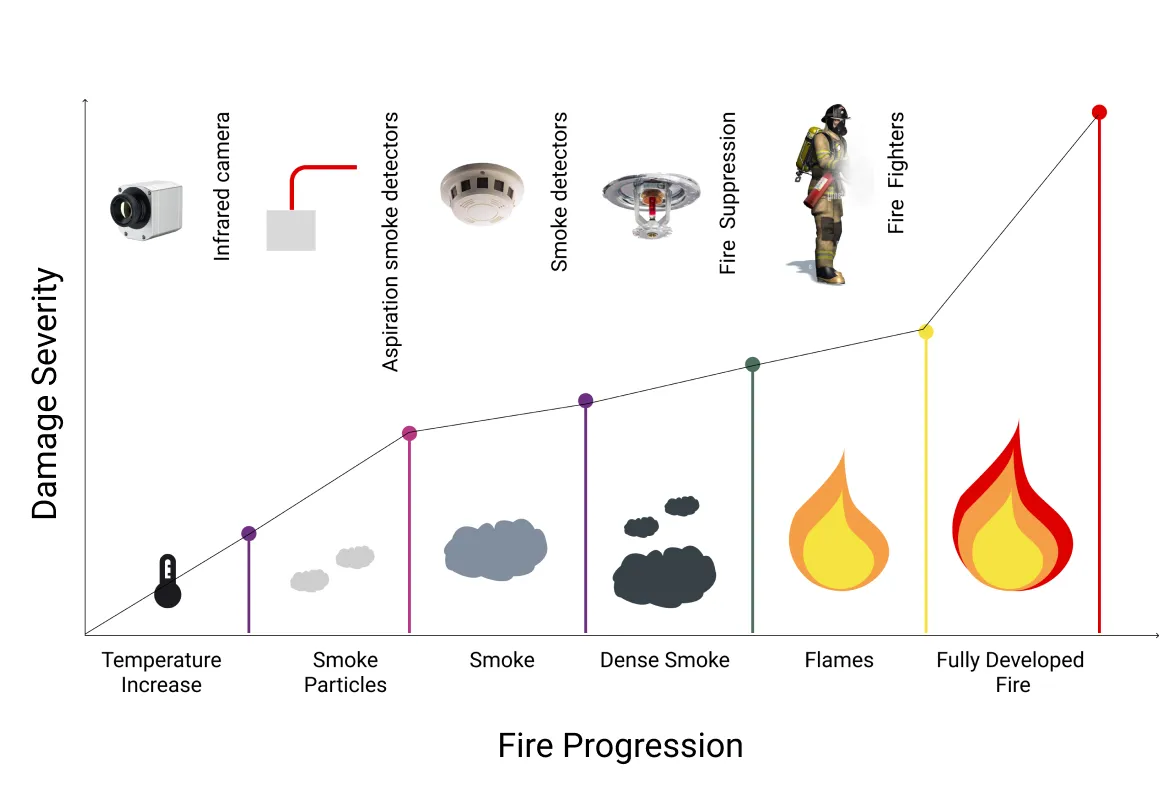
Early fire detection (EFD) is crucial for preventing significant damage and loss of life. Infrared (IR) cameras have become an essential tool in achieving this, leveraging their capability to detect heat signatures and temperature anomalies that are invisible to the naked eye. Unlike traditional smoke detectors, which rely on the presence of smoke, IR cameras can identify potential fire hazards at their inception by detecting minute temperature changes that precede a fire. This feature is particularly valuable in industrial settings, forests, and large public buildings, where early detection is critical.
Autonomous infrared cameras operate independently, without the need for a constant computer connection. These systems can trigger a digital alarm when a hot spot is detected within the field of view, ensuring continuous and reliable monitoring without manual intervention. This capability is a significant advancement in fire detection technology, providing a proactive approach to identifying fire hazards before they develop into full-blown fires.
IR cameras function by capturing infrared radiation emitted by objects and converting it into an electronic signal, which is then processed to produce a thermal image or thermogram. This technology enables real-time monitoring of temperature variations across wide areas. High thermal sensitivity and resolution are essential features of these cameras, allowing them to detect even the smallest temperature variations. Advanced software algorithms further enhance their capability by distinguishing between normal operational heat and potential fire hazards, minimizing false alarms and ensuring accurate monitoring.
The implementation of autonomous infrared cameras for early fire detection enhances safety protocols through continuous, automated surveillance. This proactive approach not only mitigates the risk of fires but also supports efficient resource allocation for fire prevention efforts, ultimately protecting lives, property, and the environment from the devastating impact of fires.
Back to Lexicon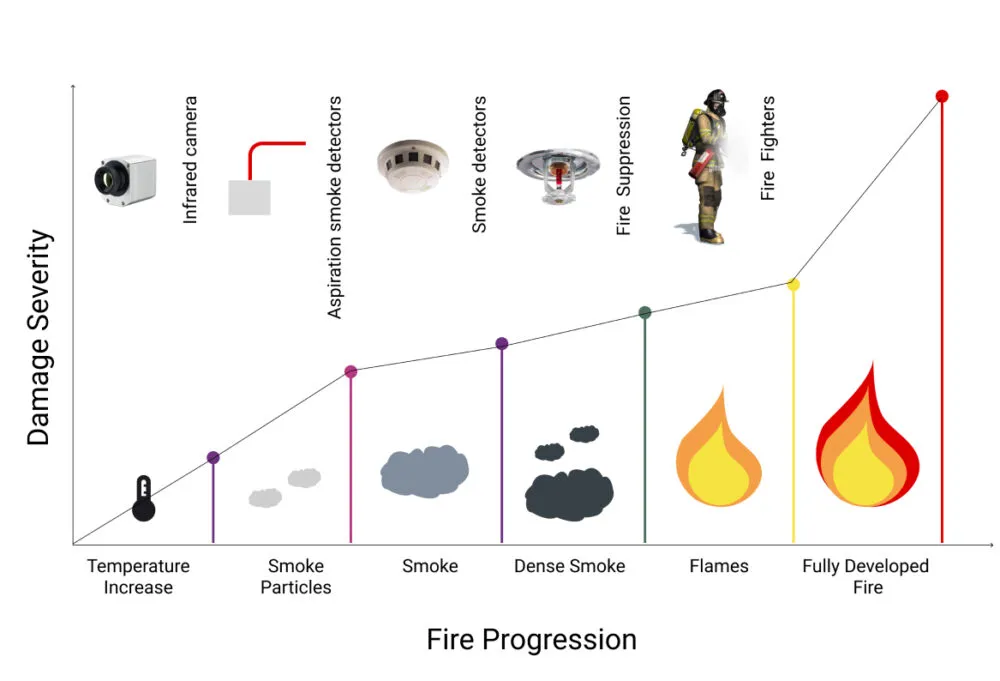
Recommended Products



Talk to us about your IR Temperature Measurement Requirements
Our Infrared Temperature Measurement experts can help you find the right Optris product for your application.
