


Infrared Detectors
Infrared detectors are devices optimized to convert electromagnetic radiation from the infrared spectral range into an electrical signal. Most commercially available infrared detectors fall into two main categories: thermal detectors and quantum detectors.
Thermal Detectors
Thermal detectors operate based on the principle that their temperature changes when they absorb electromagnetic radiation. This temperature change affects a temperature-dependent property of the detector, which is then electrically analyzed. Common types of thermal detectors include thermopiles, pyroelectric detectors, and bolometers.
• Thermopiles generate a voltage when their junctions are heated by absorbed radiation.
• Pyroelectric detectors produce an electrical signal due to the pyroelectric effect when their temperature changes.
• Bolometers change their electrical resistance when heated, and this change is measured to determine the absorbed energy.
Thermal detectors are known for their broad spectral response and are often used in applications requiring wide wavelength sensitivity.
Quantum Detectors
Quantum detectors, also known as photon detectors, function based on the photoelectric effect. When photons of infrared radiation are absorbed, they cause electrons in the semiconductor material to jump to higher energy levels. The return of these electrons to their ground state generates an electrical signal, which is then measured. Common types of quantum detectors include photoconductive cells and photovoltaic cells.
• Photoconductive cells increase in conductivity when exposed to infrared radiation.
• Photovoltaic cells generate a voltage when exposed to infrared radiation.
These highly sensitive detectors have fast response times, making them suitable for applications requiring high-speed detection and precise measurements. Quantum detectors are typically used in spectroscopic applications, remote sensing, and high-speed thermal imaging.
Back to Lexicon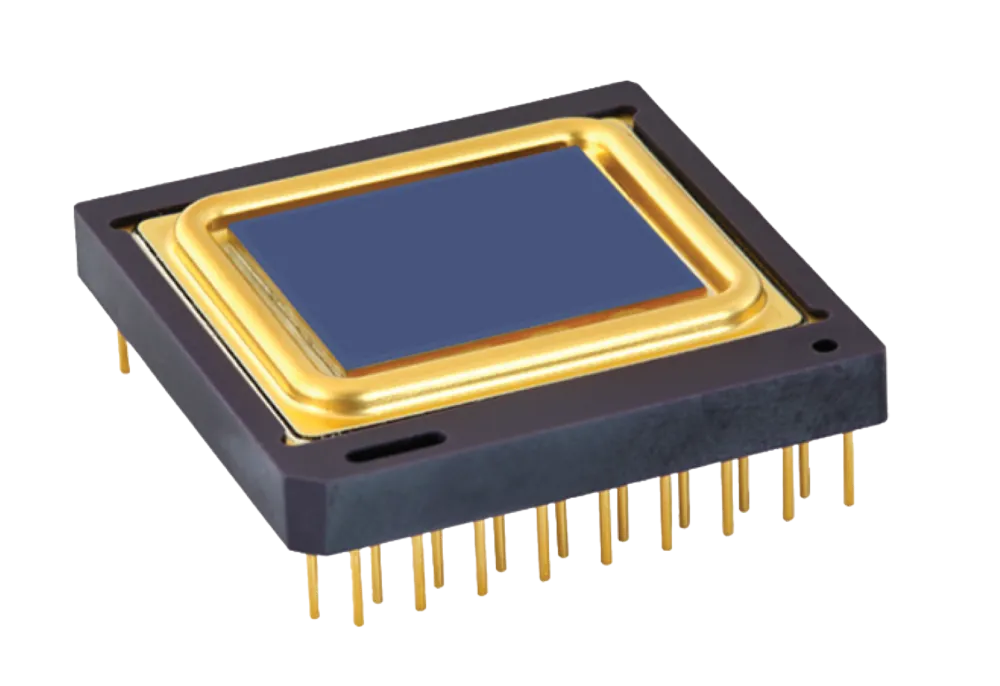

Talk to us about your IR Temperature Measurement Requirements
Our Infrared Temperature Measurement experts can help you find the right Optris product for your application.
