


Passive Thermography
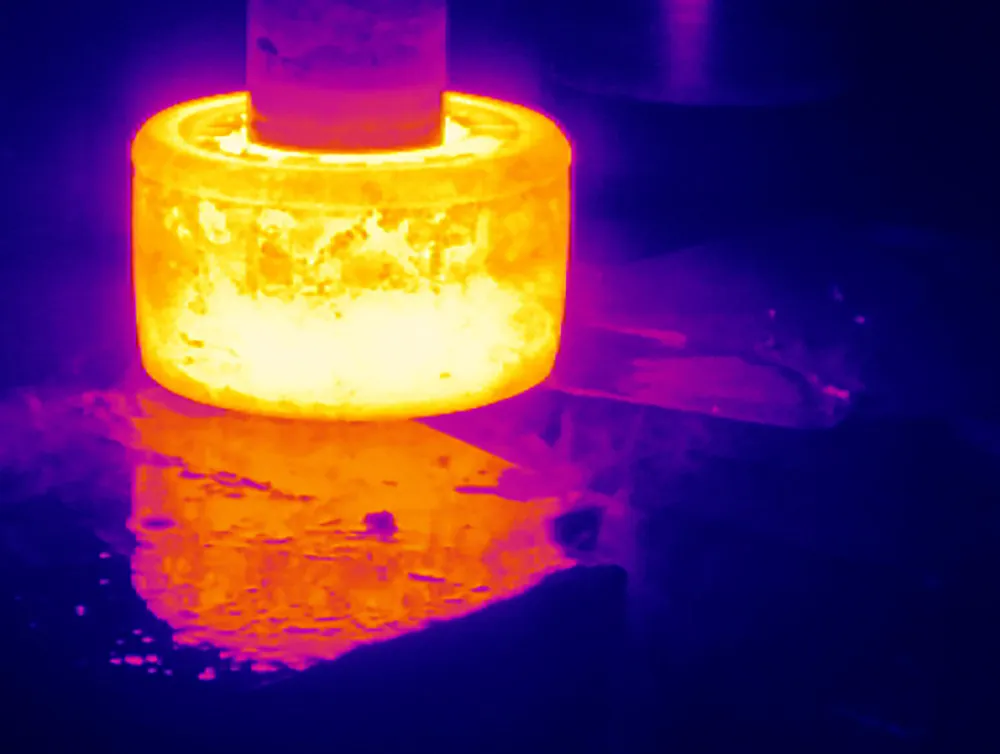
Passive thermography involves using infrared cameras or similar devices to measure the temperature of a surface without direct contact. This technique captures the radiation naturally emitted by an object, and the temperature information is derived from the resulting thermal image.
This method relies solely on the natural heat emitted by the objects in the scene. Since all objects with a temperature above absolute zero emit infrared radiation, passive thermography can detect and visualize these emissions, creating thermal images representing temperature distributions across the observed area. Since passive thermography does not require active illumination or specialized equipment, it is most often used to monitor all kinds of industrial assets. This technique is widely used in various applications such as building inspections, medical diagnostics, and electrical equipment monitoring. In building inspections, passive thermography helps identify areas of heat loss, moisture intrusion, and insulation defects by capturing the natural heat emitted from the building surfaces. In medical diagnostics, it is used to detect abnormal temperature patterns on the human body, which may indicate underlying health issues. For electrical equipment monitoring, passive thermography can identify overheating components, which could signify potential faults or failures.
One of the key advantages of passive thermography is its non-intrusive nature. Since it does not require any external heat sources or physical contact with the objects being observed, it can be used in situations where it is impractical or unsafe to introduce additional heat. This makes it a valuable tool for continuous monitoring and real-time analysis in various fields.
However, passive thermography effectiveness can be influenced by environmental conditions such as ambient temperature, wind, and humidity, which may affect the accuracy of the thermal readings. Therefore, careful consideration of these factors is essential to ensure reliable and accurate results.
Back to Lexicon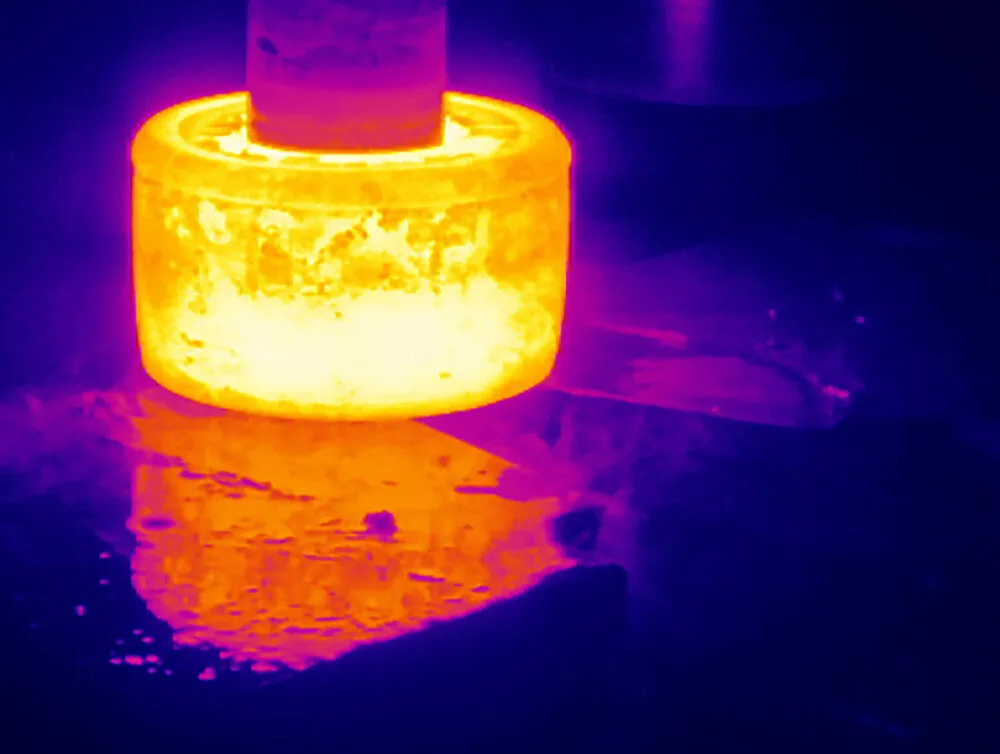
Recommended Products



Talk to us about your IR Temperature Measurement Requirements
Our Infrared Temperature Measurement experts can help you find the right Optris product for your application.
