


Spectral Response
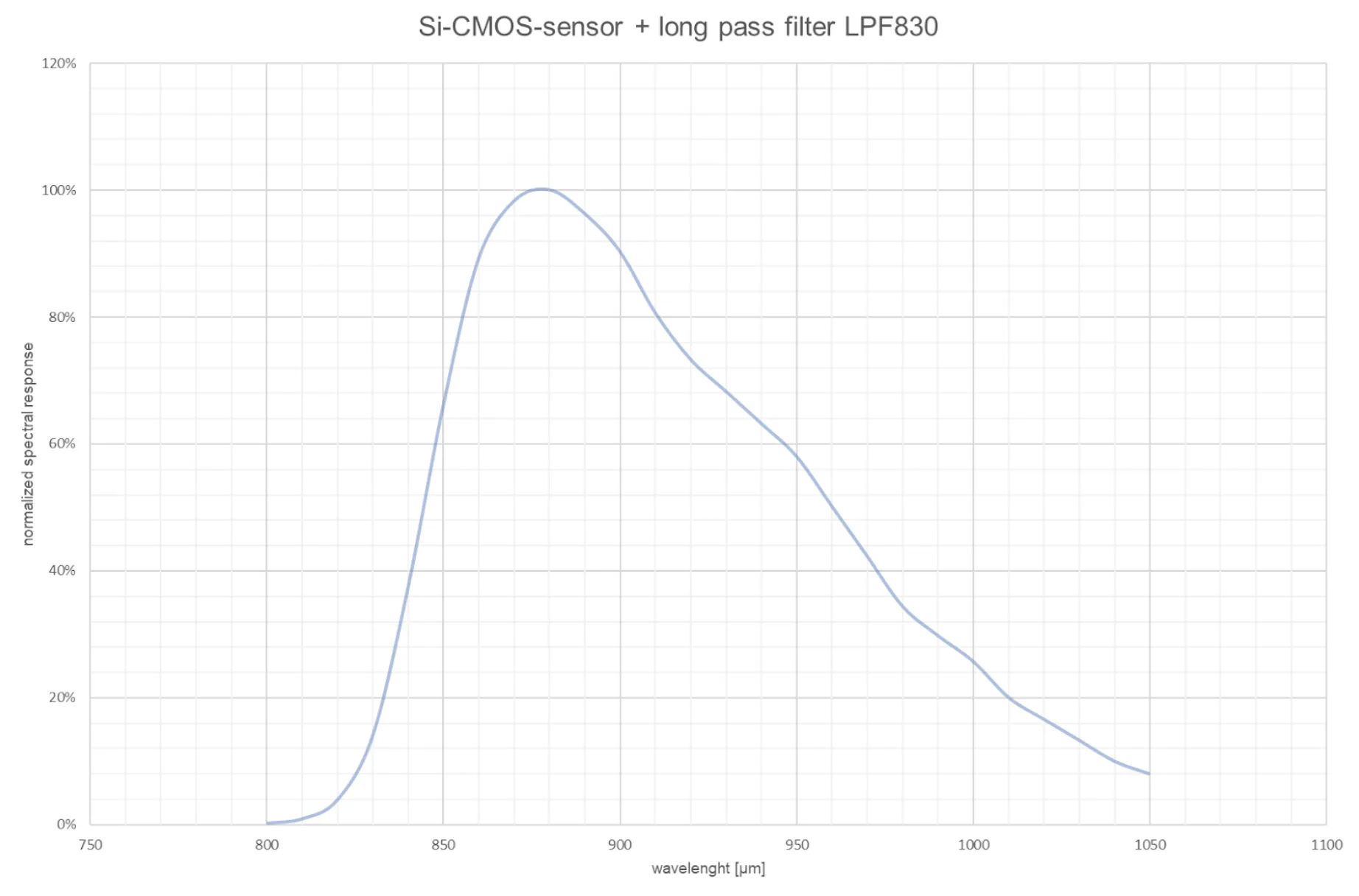
The term “spectral response” refers to the sensitivity of a detector to different wavelengths of electromagnetic radiation. It is crucial to determine how effectively a sensor or imaging system can convert incoming radiation into an electrical signal. The spectral response is typically represented by a curve showing the detector’s sensitivity across different wavelengths and is also known as spectral range.
Spectral range refers to the specific band of the electromagnetic spectrum to which an imaging system or sensor is sensitive. This range determines the types of electromagnetic waves the system can detect and use for imaging or measurement. In applications for temperature measurement, the spectral range often includes the near-infrared, short-infrared, mid-infrared, and long-wave infrared (LWIR) bands. The choice of spectral range depends on the specific requirements of the application; for example, measuring high-temperature objects might require a different spectral range compared to low-temperature measurements. In thermal imaging, the spectral range dictates the information that can be captured about an object’s thermal properties. LWIR cameras are commonly used for general-purpose thermal imaging, including building inspections, medical diagnostics, and industrial monitoring. Other wavelength bands might be used in specialized applications where specific thermal characteristics need to be observed.
Back to Lexicon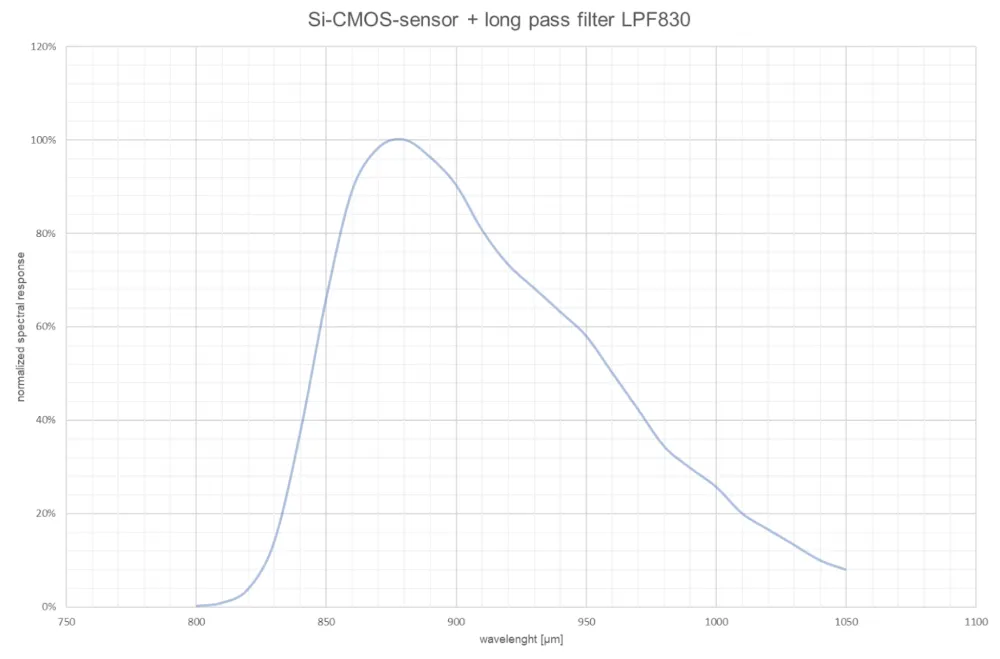
Recommended Products





Talk to us about your IR Temperature Measurement Requirements
Our Infrared Temperature Measurement experts can help you find the right Optris product for your application.
