


Temperature
Temperature is a thermodynamic value for a body that measures the mean kinetic energy of the disordered motion of the particles that make up the body.
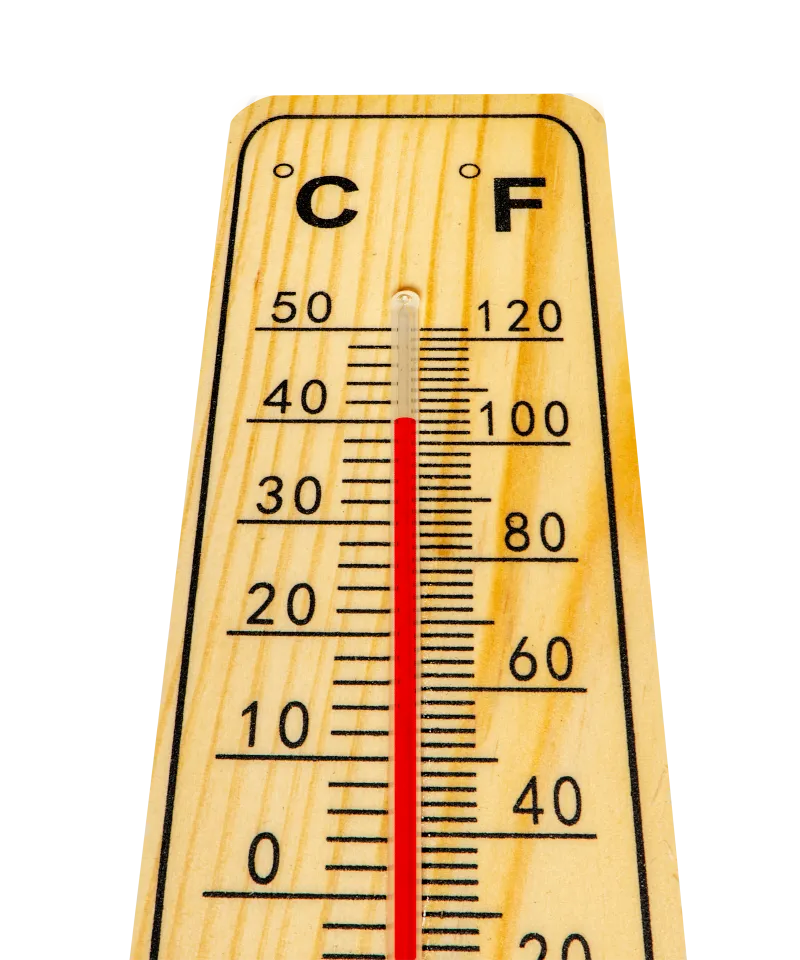
The SI unit of temperature is the Kelvin; the Celsius and Fahrenheit scales are also in use. The temperature values in the different scales can always be converted into each other. The lowest possible temperature is 0 K, which corresponds to -273.15 C. This value, absolute zero, represents the lowest energetic state that matter can occupy. In principle, it cannot be undercut. Following the revision of the International System of Units, the Kelvin is now defined as the change in thermodynamic temperature T that corresponds to a change in thermal energy kBT of exactly 1.380649e-23 Joules (kB is the Boltzmann constant). Temperature is an intensive physical quantity – when you divide a body, both parts have the same original temperature.
When two bodies of different temperatures are brought into contact with one another, heat energy is transferred from the higher-temperature body to the lower-temperature body until thermal equilibrium is established, that is, the temperatures become equal.
Temperature affects numerous processes in physics and chemistry and therefore has great importance for many technical processes. Temperature measurement is therefore an indispensable measurement technique in many technical applications. It can be done with the contact of a sensor to the probe or as a non-contact temperature measurement.
Back to Lexicon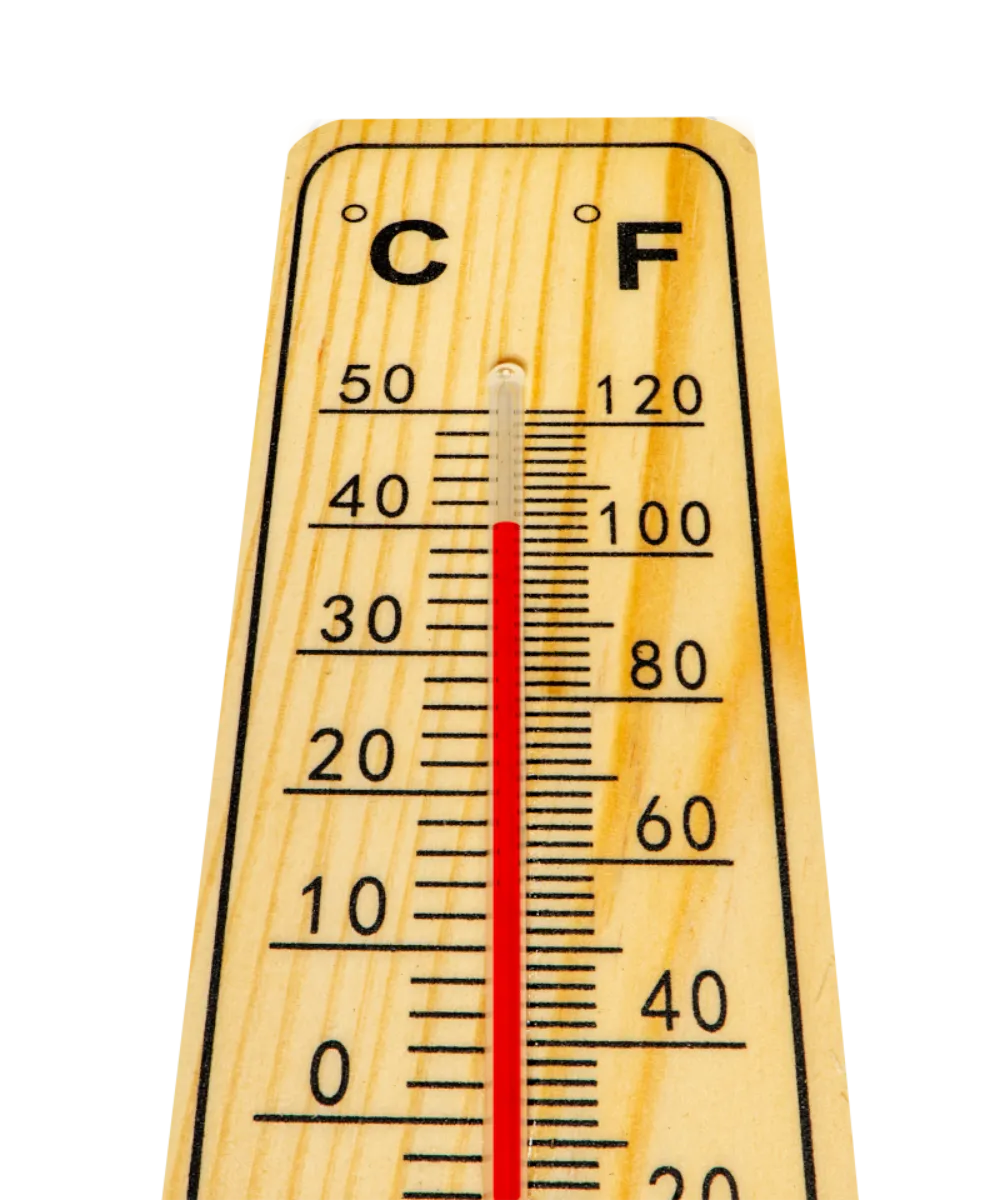
Recommended Products







Talk to us about your IR Temperature Measurement Requirements
Our Infrared Temperature Measurement experts can help you find the right Optris product for your application.
