


Bottom-Up GIS 450i G7
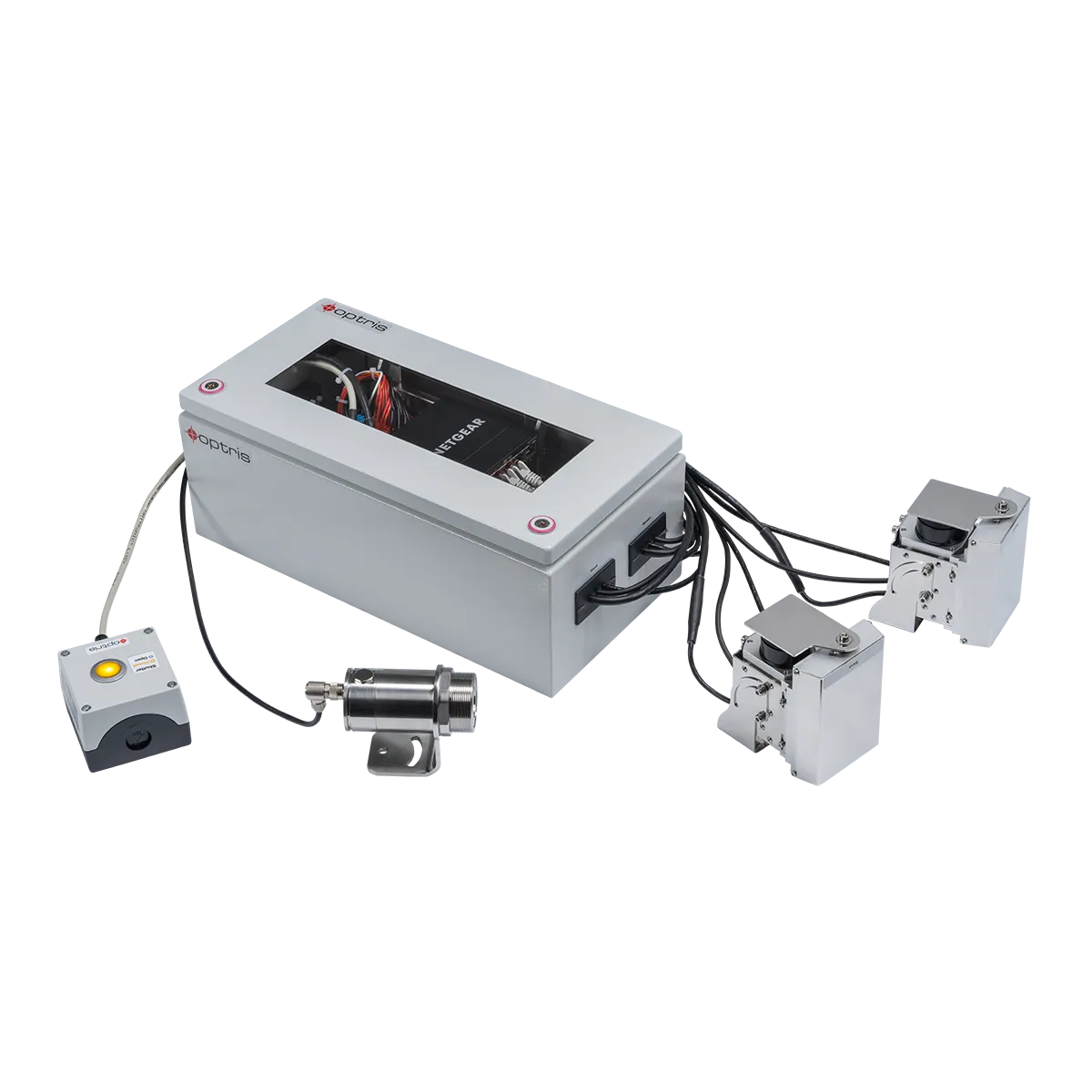
The Bottom-Up Glass Inspection System from Optris offers a new approach to measuring temperature in low-emissivity glass production.
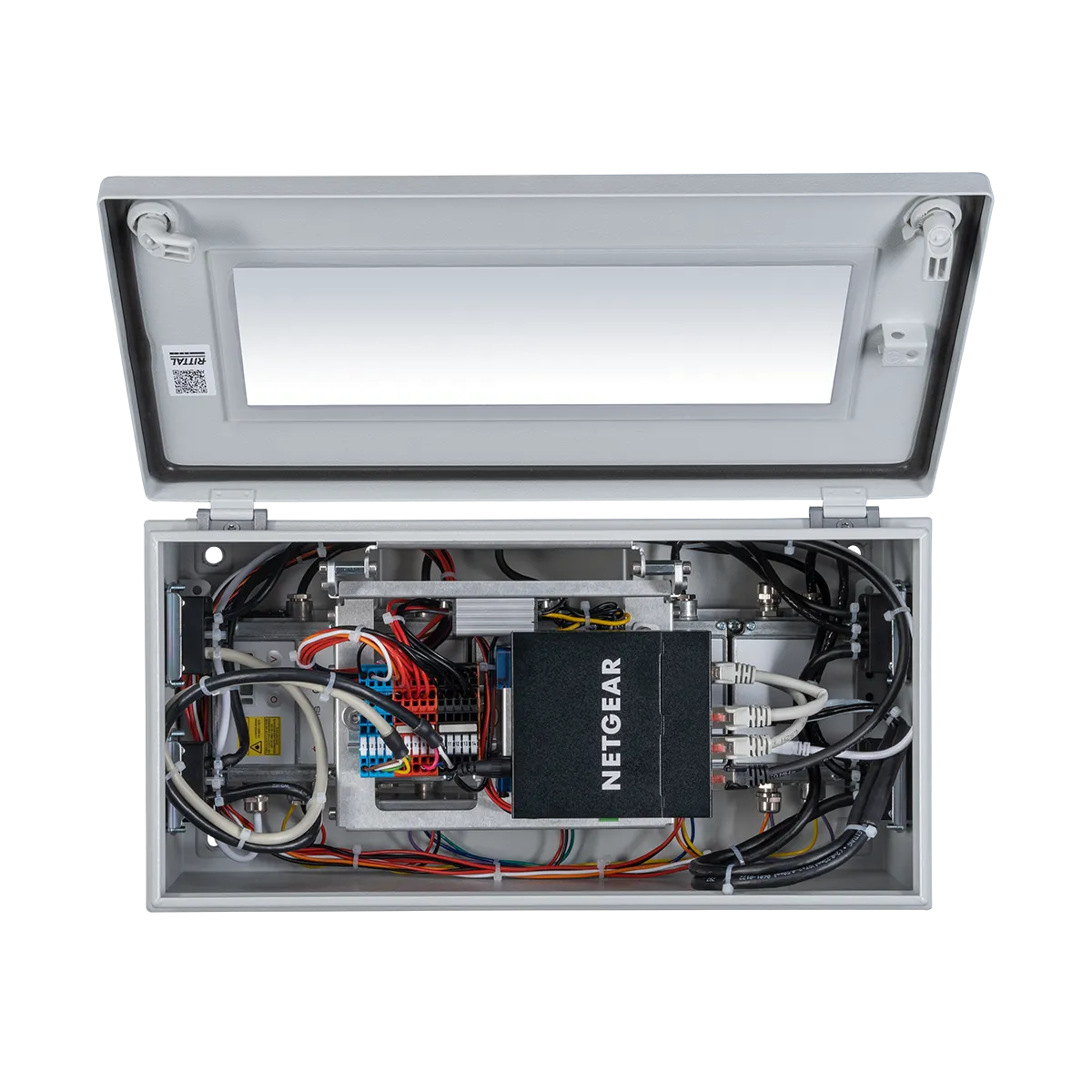
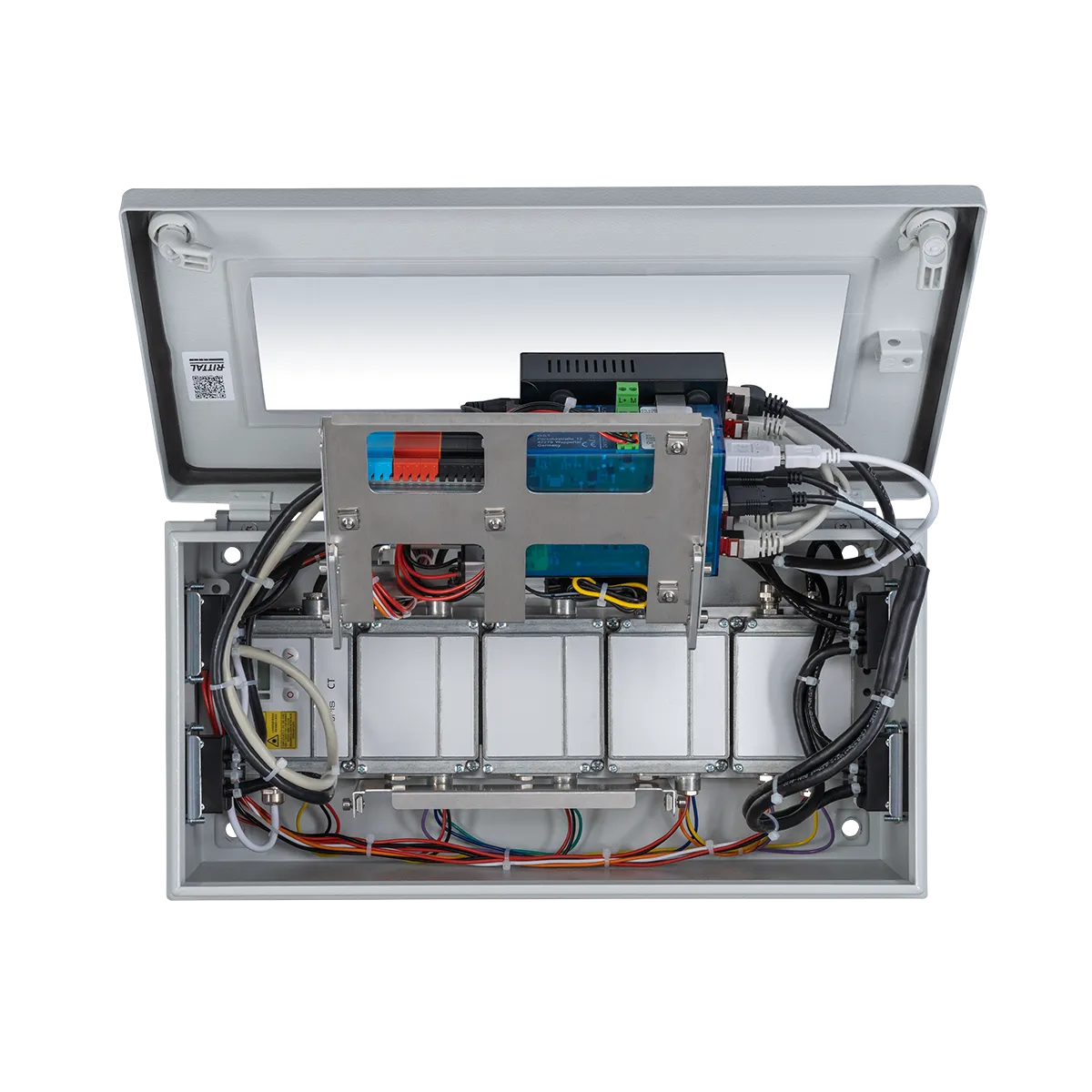
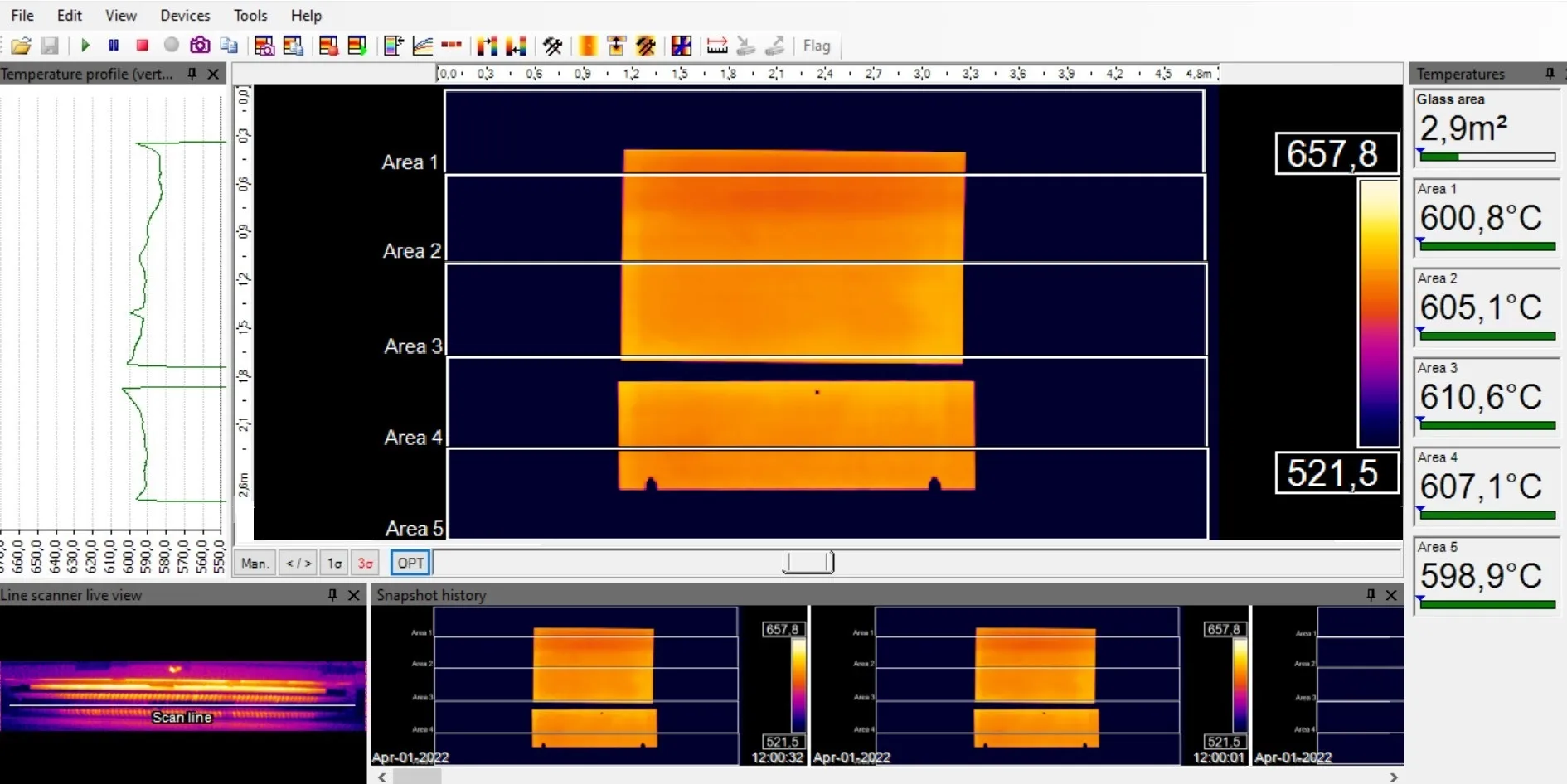
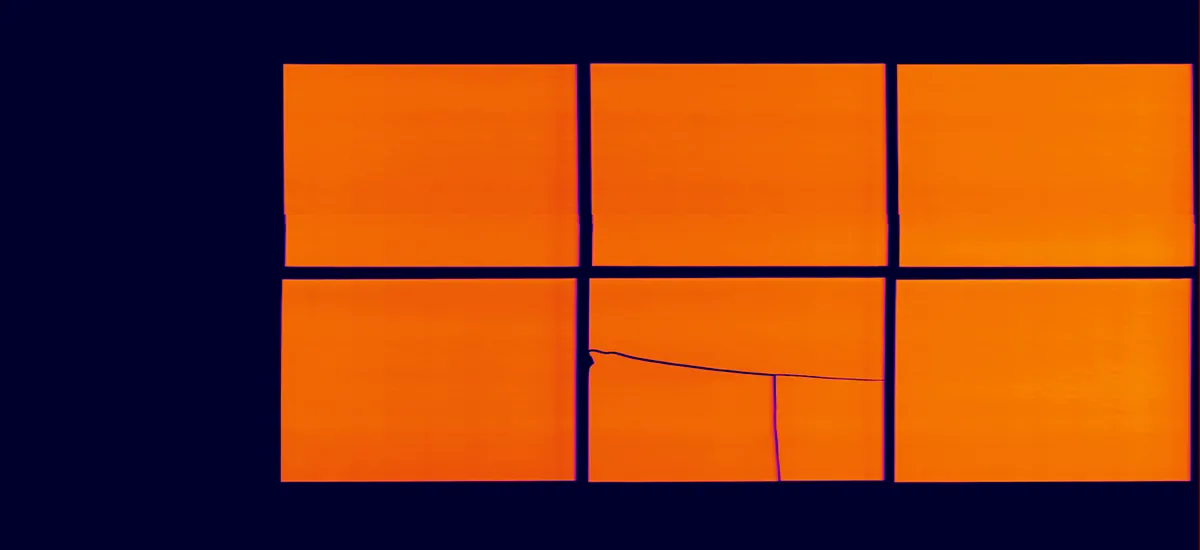
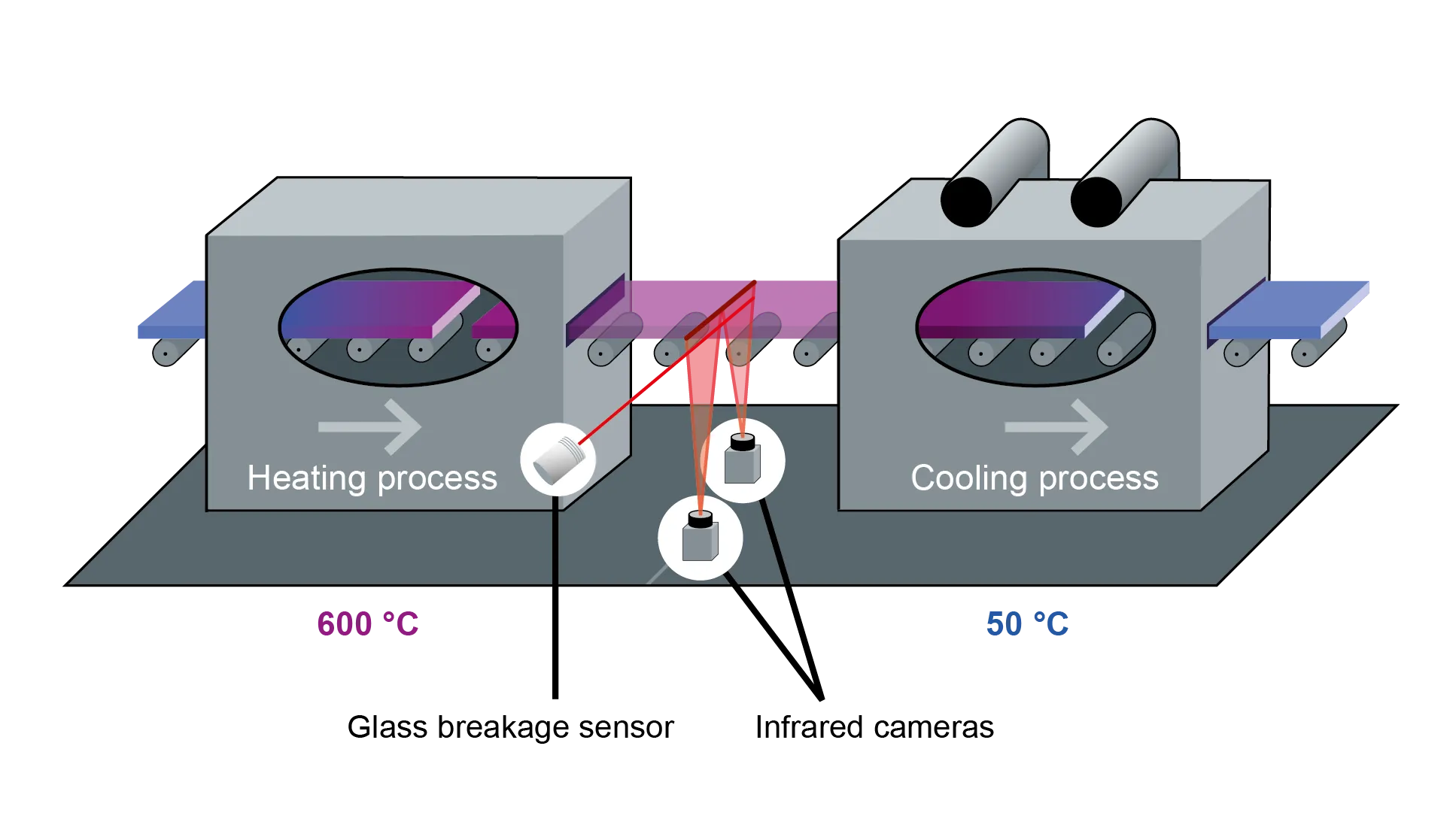
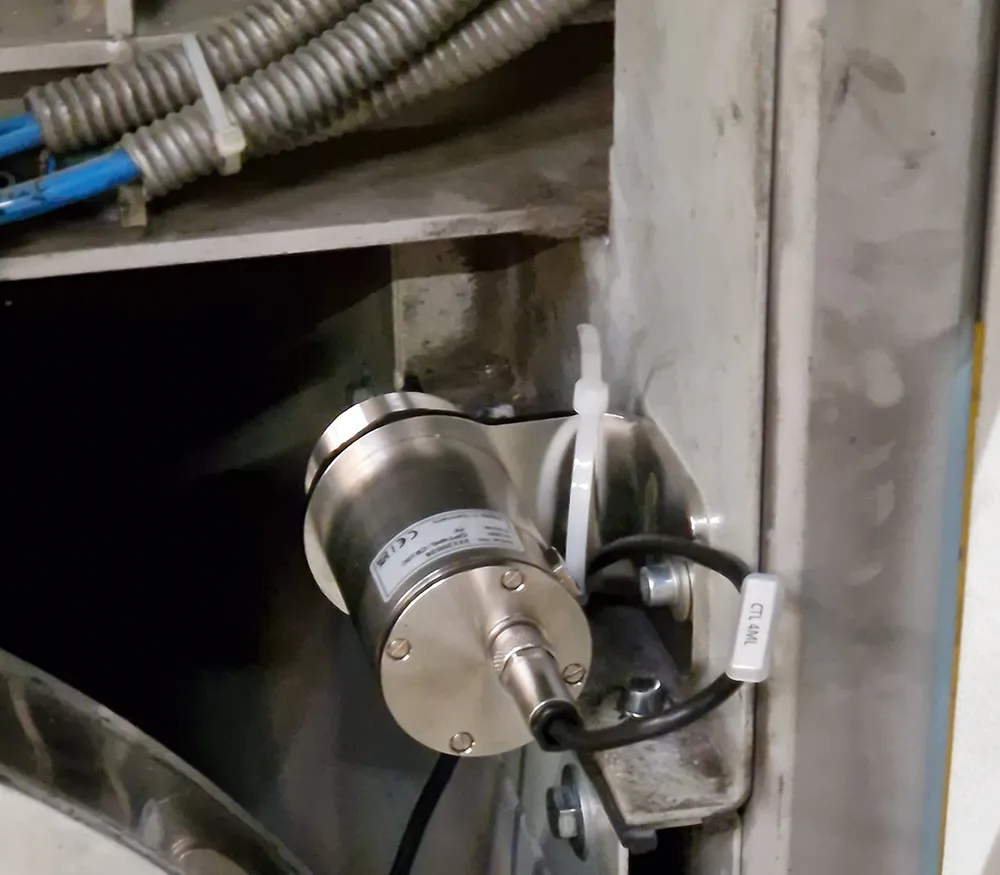
- Line scan function for tempering processes
- Thermal images of glass beads right up to large panes
- Precise temperature measurements of glass surfaces
- High ambient temperature rating of 70 °C (158 °F)
- Glass area calculation
- Integrated ultra-fast glass breakage detection combined with digitally controlled lens protection system (DCLP)
- Pre-assembled system for easy installation on glass tempering furnaces
$24,360.00
excl. sales taxes, custom tariffs and shipping
Product Description
Low-emissivity (Low-E) glass, widely used in energy-efficient windows and façade components, presents unique challenges for traditional infrared (IR) temperature measurement systems. Designed with a special coating to minimize heat transfer, Low-E glass significantly reduces emissivity on one side. This characteristic complicates temperature measurements during production, particularly as glass exits furnaces. Standard IR devices struggle to provide accurate readings through the coated side, leading to inefficiencies and potential quality issues in the manufacturing process.
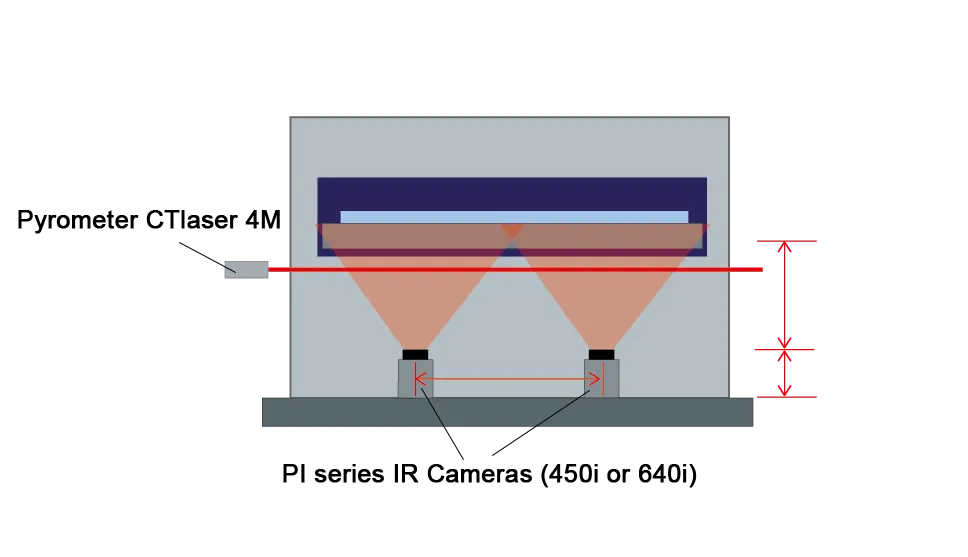
The Bottom-Up Glass Inspection System (GIS) from Optris offers an innovative solution to overcome these limitations. By strategically placing multiple infrared imagers, such as the Optris PI 450i G7, beneath the tempering line, the system measures the temperature of the glass’s high-emissivity, uncoated side. This novel approach guarantees accurate readings regardless of the emissivity challenges posed by coatings.
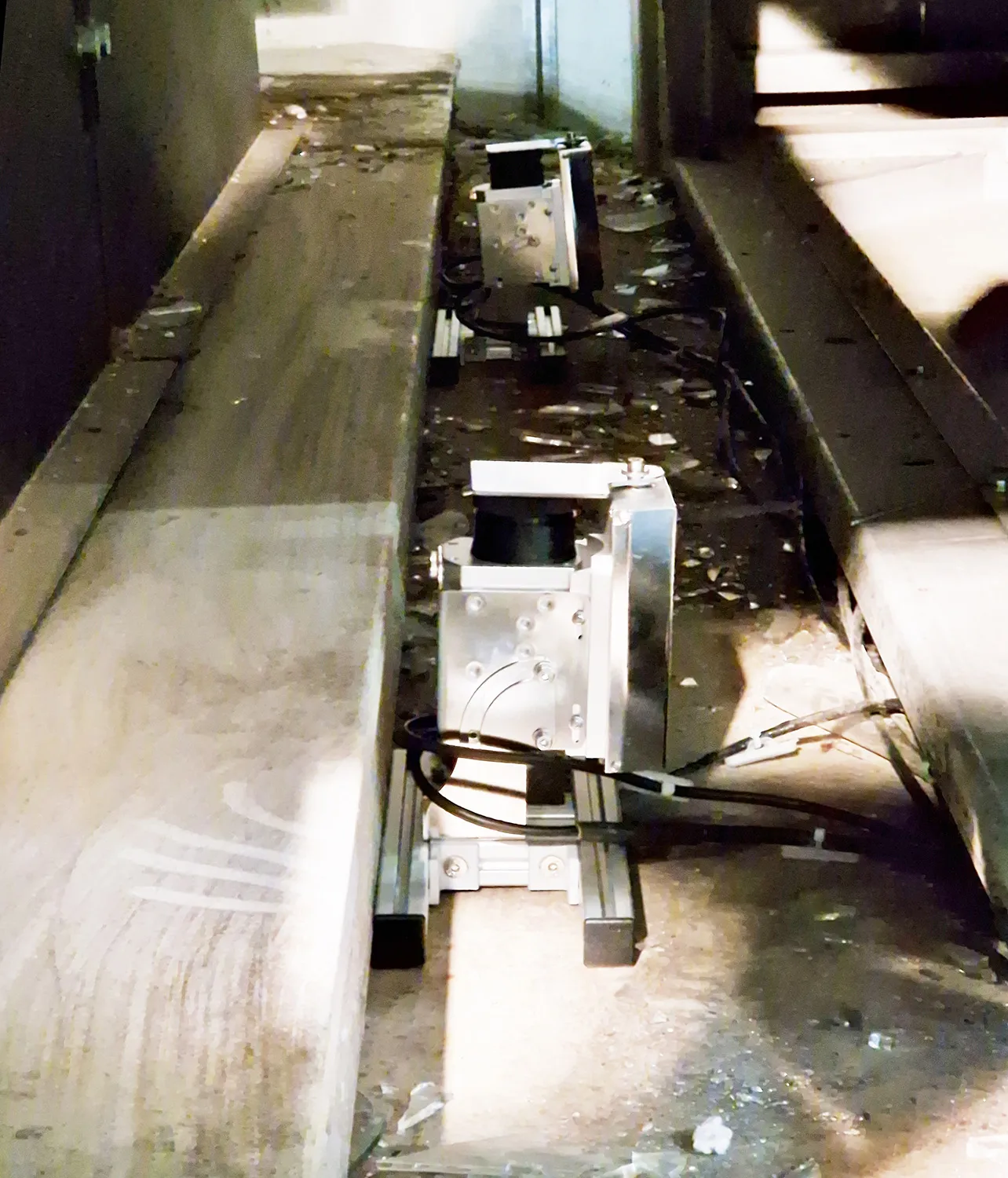
The compact and uncooled design of the PI 450i G7 cameras makes them ideal for tight installations beneath production lines. Previously, such installations were impractical with traditional line scanners, which are large, cumbersome, and installed above the glass. With Optris’s advanced technology, manufacturers can now achieve consistent and reliable temperature measurements crucial for ensuring product quality.
The PI 450i G7 infrared camera is a cutting-edge solution tailored specifically for the glass industry. Its design. Operating at a spectral range of 7.9 μm, the PI 450i G7 is perfectly suited for measuring glass temperatures. This spectral range minimizes interference from the material’s intrinsic properties and ensures precision. The camera supports temperature measurements from 150 °C to 1500 °C (302 °F to 2732 °F), making it versatile across various glass production processes, from tempering and refining to secondary processing. With a resolution of 382 x 288 pixels and a thermal sensitivity of up to 150 mK at 650 °C (1202 °F), the PI 450i G7 delivers detailed thermal imaging. This capability allows for precise mapping of temperature distributions across glass panes, ensuring consistent quality. he camera is designed to withstand ambient temperatures of up to 70 °C (158 °F) without requiring additional cooling systems, enhancing its suitability for the high-temperature environments typical in glass manufacturing. Measuring just 46 x 56 x 68-77 mm (1.81 x 2.2 x 2.68-3.03 in), the PI 450i G7 is compact and lightweight, with an IP67-rated enclosure for durability. These features make it easy to integrate into existing production setups. Operating at a frame rate of up to 80 Hz, the camera captures real-time temperature data essential for dynamic production lines.
The GIS system’s effectiveness is amplified by integrating additional components. The license-free PIX Connect software transforms the camera into a versatile tool capable of functioning as a line scanner. This feature offers flexibility in system setup, enabling detailed thermal analysis and temperature control across the glass production process. For seamless integration into manufacturing workflows, the camera supports multiple analog and digital inputs and outputs, as well as relay functions. The industrial interface ensures compatibility with existing control systems. In the event of glass breakage, this safeguard minimizes potential damage to the camera, ensuring reliable operation with reduced downtime.
The Bottom-Up GIS with the PI 450i G7 delivers several advantages. By focusing on the uncoated side of the glass, the system provides consistent temperature readings, regardless of the coating applied, ensuring uniform quality. Accurate temperature data enables better control of furnace and cooling processes, minimizing waste and enhancing production efficiency. Compact design and pre-assembled configurations simplify integration into existing tempering lines, minimizing installation time and disruptions. Unlike bulky and expensive line scanners, the PI 450i G7 is a more affordable and compact alternative, requiring less manual effort for setup and maintenance.
Specification
| MODEL | BUGIS 450i G7 53°x38° | BUGIS 450i G7 80°x54° |
| DETECTOR | ||
| Optical resolution | 382×288 pixels | |
| Pixel pitch | 17 µm | |
| Detector | Uncooled bolometer | |
| Spectral Range | 7.9 µm | |
| Optical Filter | Integrated | |
| Frame rate | 80 Hz (switchable to 27 Hz) | |
| OPTICAL | ||
| Field of View | 53°x38° | 80°x54° |
| Focal length [mm] | 7.7 mm | 5.7 mm |
| F Number | 0.9 | 0.9 |
| Optical Resolution | 126:1 | 79:1 |
| Minimum Distance to Target | 250 mm (9.8 in) | 200 mm (7.9 in) |
| Interchangeable optics | Yes | |
| MEASUREMENT | ||
| Object Measurement Range | 200 °C … 1500 °C (392 °F … 2732 °F) 150 °C … 900 °C (302 °F … 1652 °F) Sighting range 0 °C … 250 °C (32 °F … 482 °F) |
|
| Accuracy | ±2 °C or ±2 %, whichever is greater | |
| Thermal Sensitivity (NETD) *6) | 150 mK | |
| Smallest detectable Spot Size IFOV: 1 pixel | 0.6 mm | 0.9 mm |
| Smallest measurable Spot Size MFOV | 1.8 mm | 2.7 mm |
| Measurement Field of View (MFOV) | 3×3 pixels | |
| Warm-up time | 10 min | |
| Emissivity /Transmissivity/ Reflectivity | adjustable: 0.100…1.100 | |
| INTERFACES | ||
| Interface | Ethernet over USB GigE (PoE) interface | |
| Supported Protocols | Ethernet (max. 1000 Mbit/s) | |
| Compatible Software | PIXConnect, ConnectSDK, EasyAPI, ExpertAPI | |
| IMAGE PROCESSING | ||
| Configuration | via PIXConnect | |
| Operation | computer-enabled | |
| Capabilities | For Measurements on Glass, Measure Areas of Interest, Linescanner, EventGrabber, Merger, Alarming, Comparison Functions, Temperature-Time Diagrams, Temperature Profiles, Recording & Playing, Triggering … | |
| GLASS BREAKAGE SENSOR – DETECTOR | ||
| Detector | InAsSb | |
| Measurement Principle | Single Color | |
| Spectral Range | 2.2 – 6 μm | |
| Response Time | 300 μs (90 % signal) | |
| Exposure Time | 90 μs (90 % signal) | |
| Sampling Frequency | 11000 Hz | |
| Sensing Head Exchangeable | N/A | |
| GLASS BREAKAGE SENSOR – OPTICAL | ||
| Distance to Spot ratio (D:S) | 30:1 | |
| Spot size (SF optics) | 36.7 mm at 1100 mm (1.44 in at 43 in) | |
| Smallest spot (CF optics / add. CF lens) | 2.4 mm at 70 mm (0.09 in at 2.8 in) | |
| Distance | independent | |
| GLASS BREAKAGE SENSOR – SIGHTING | ||
| Sighting | Double laser | |
| GLASS BREAKAGE SENSOR – MEASUREMENT | ||
| Object Measurement Range | 0 °C … 500 °C (32 °F … 932 °F) | |
| Accuracy 2) | ±0.3 % TMeas +2 °C | |
| Repeatability 2) | ±0.1 % of reading +1 °C | |
| Temperature Coefficient 3) | ±0,05 K/ K or ±0,03 %/ K | |
| Thermal Sensitivity (NETD) | 180 mK | |
| Warm-up time | none | |
| Emissivity /Transmissivity/ Reflectivity | 0.100 – 1.100 | |
| Slope | N/A | |
| GENERAL | ||
| Shutter Size | 116 x 57 x 121 mm (4.6 x 2.24 x 4.8 in) | |
| Cabinet Size | 400 x 200 x 155 mm (16 x 8 x 6 in) | |
| Housing Material | Stainless Steel | |
| Weight | 13 kg (29 Lb) (complete system) | |
| Focus | fixed | |
| Country of Origin | Germany | |
| ENVIRONMENTAL & CERTIFICATIONS | ||
| Operating Temperature Range | 0 °C … 70 °C (32 °F … 158 °F) | |
| Storage Temperature Range | -40 °C … 85 °C (-40 °F … 185 °F) | |
| Relative humidity | 10 – 95 %, non-condensing | |
| Protection Class | IP 65 | |
| EMC | 2014/30/EU | |
| Shock | IEC 60068-2-27 (25 G and 50 G) | |
| Vibration | IEC 60068-2-6 (sinus shaped) IEC 60068-2-64 (broadband noise) |
|
| Standards | CE, UKCA, RoHS | |
| POWER | ||
| Power Supply | 100-230 VAC / 24 VDC | |
| Current Draw | 3A | |
| ACCESSORY | ||
| Shutter for IR Camera | Included | |
| Shutter for Reference Pyrometer | Included | |
| Cabinet | Included | |
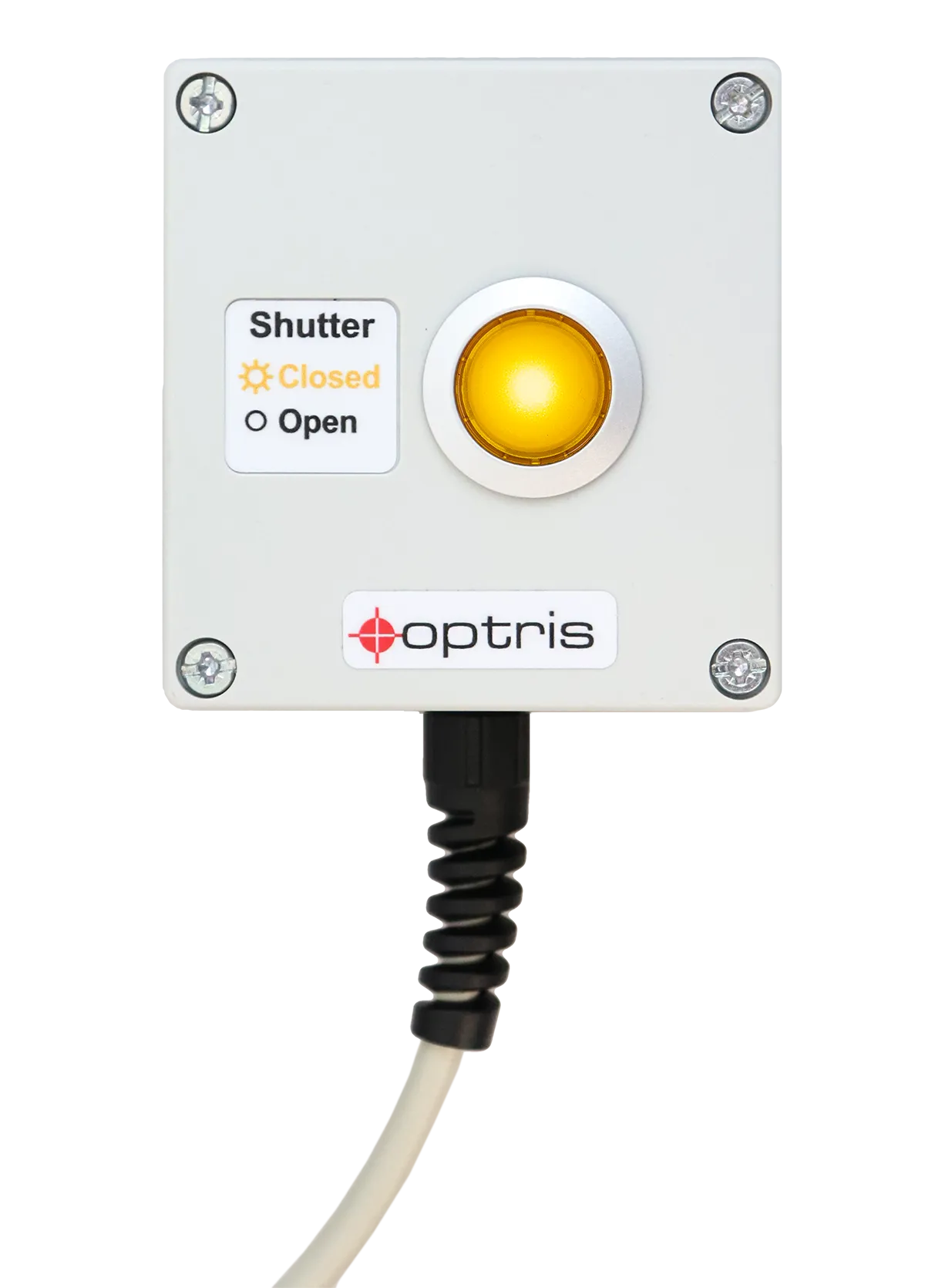
| Remote control | Included | |
| Part number | OPTBUGIS45IG7O53 | OPTBUGIS45IG7O80 |
| Additional Remarks | 1) 90% energy 2) At ambient temperature 23 ± 5 °C, object temperature > 0 °C 3) For ambient temperatures < 18 °C (< 64 °F) and > 28 °C (>82 °F); whichever is greater 4) 90% value 5) Diameter of measured area 6) Accuracy statement effective from 150 °C (302 °F) |
|
Areas of Application



Software
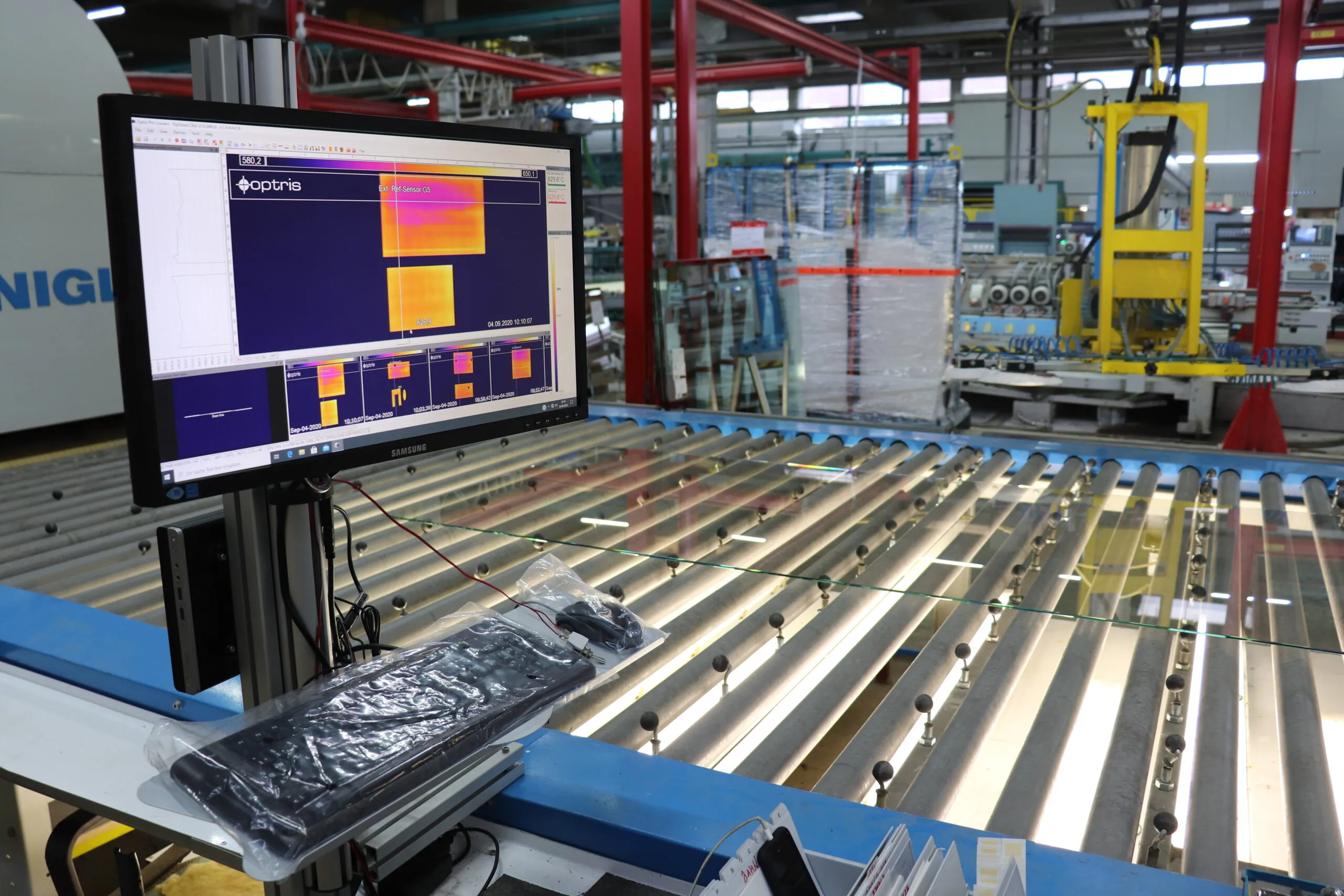
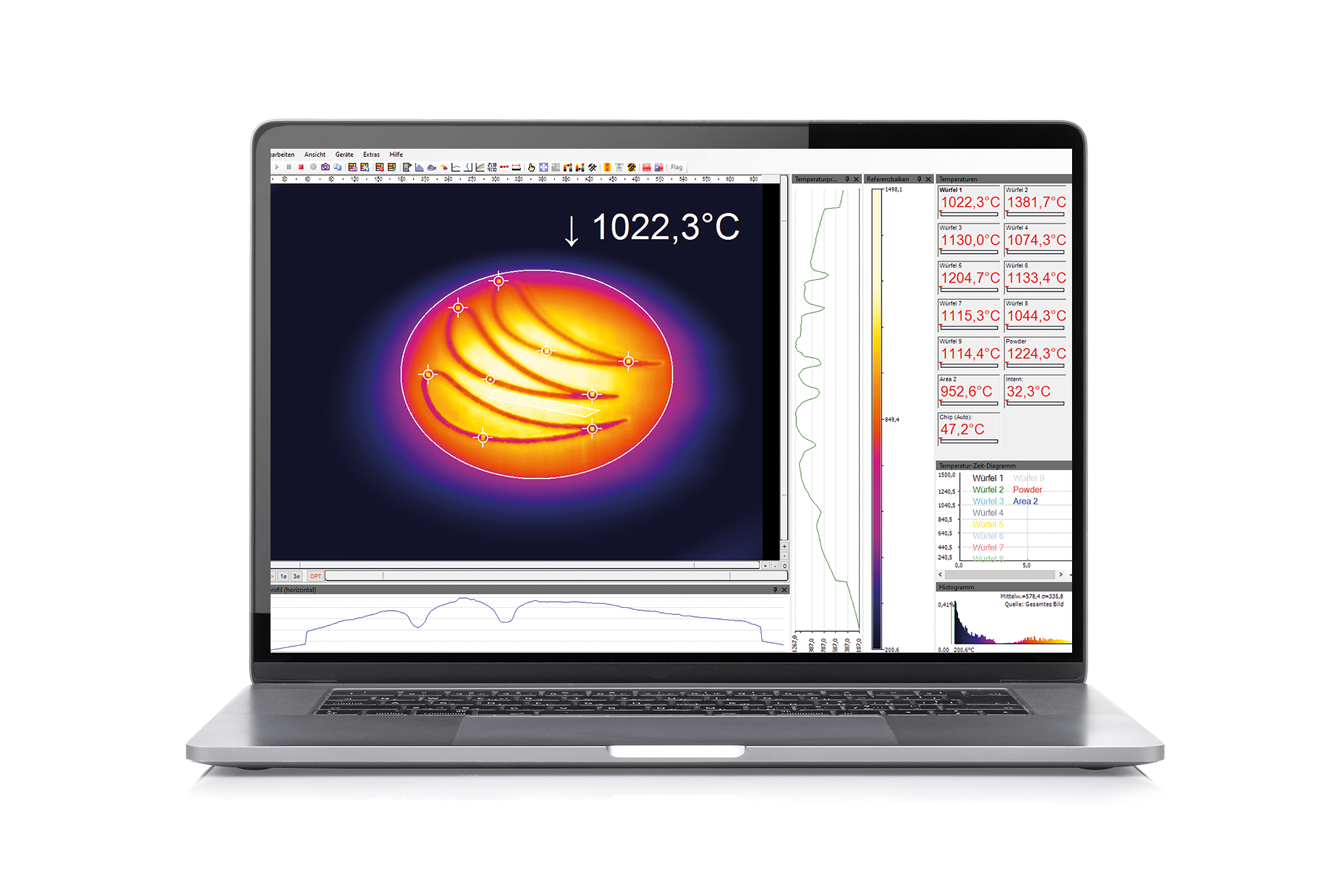 Thermography software optris PIX Connect is included and license-free. All infrared cameras are delivered with the thermography software optris PIX Connect, developed specifically for the extensive documentation and analysis of thermal images.
The Windows-based PIX Connect software enables users to tailor the infrared cameras to meet specific requirements. It analyses live and recorded temperature data and triggers alarm signals for process integration.The key to leveraging the Optris infrared camera is a correct configuration. This includes detailed device-specific configurations such as frame rate, measurement range adjustments, external communication settings, and USB/Ethernet configurations. Moreover, PIX Connect facilitates firmware updates and the download of configuration files over the Internet.
PIX Connect
 Optris offers several different SDKs for our Xi and PI thermal imaging cameras.
Depending on the operating platform, the infrared camera, the coding language, and the hardware platform, different software interfaces can be utilized:
SDK
Downloads
DATASHEET
PDF - 500.38 KB
BUGIS 450i G7 Datasheet (US)
Complete the form to download the file
FAQs
How do I install the system?
The Bottom-Up GIS is a pre-assembled system designed for straightforward installation on glass tempering furnaces. Optris or distributors are available to handle the installation and monitoring during the commissioning phase, ensuring a smooth process. For the first commissioning of the entire system, all components must be correctly positioned. Since all components are already pre-wired, they must only be brought into the correct position. The camera must be focused. After connecting the hardware, the configuration in the PIX Connect software can be done.
Where do I install the system?
A suitable position for glass measurement is between the furnace and the immediately following annealing furnace. In most cases, there is a small slit there, as the glass is transported on the glass is transported on conveyor belts, allowing a contactless temperature measurement. After leaving the furnace, the glass must be cooled down relatively quickly. The annealing furnace follows the heating furnace at a very short distance.
What is the package containing?
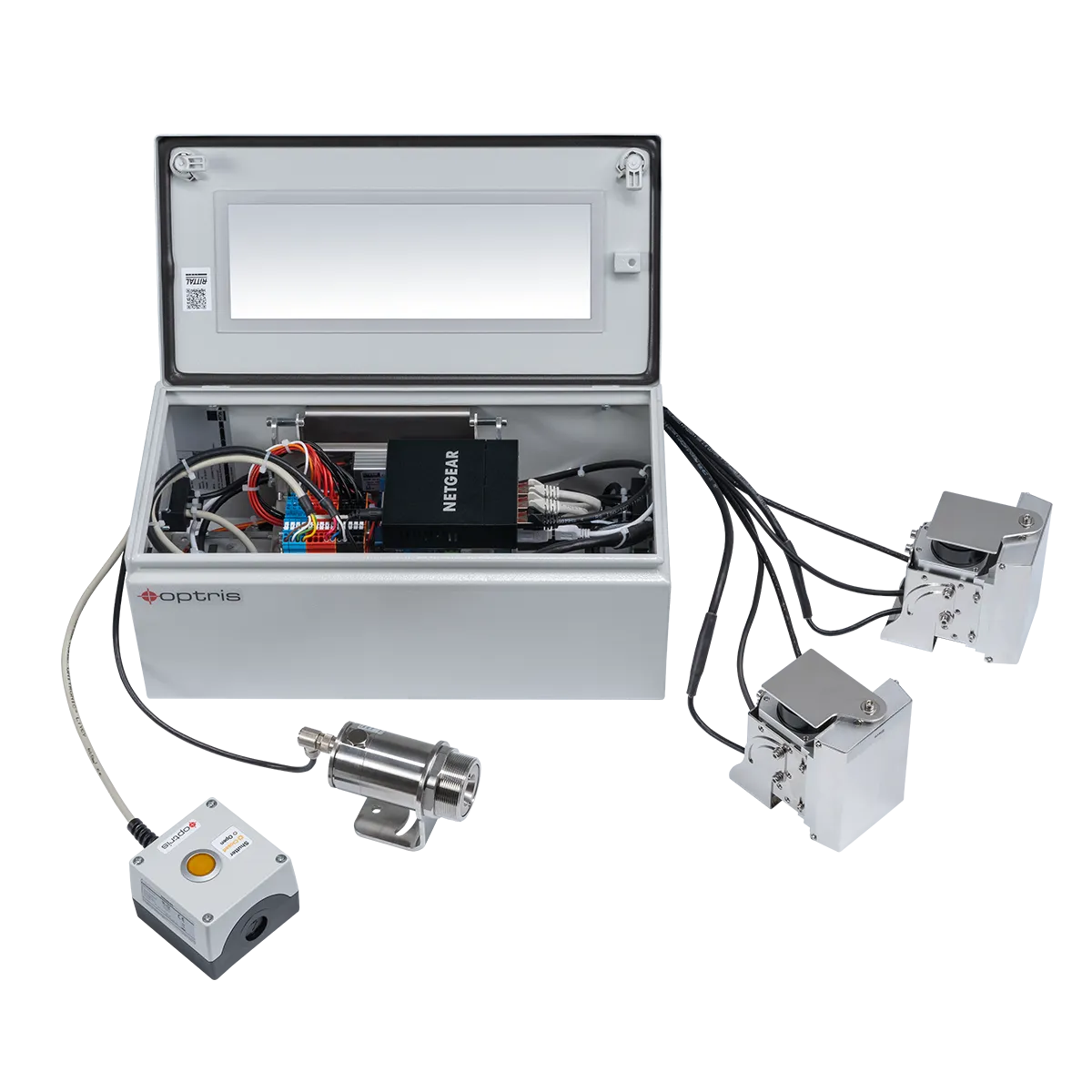
The whole system consists of three main components: two infrared cameras with shutters, an additional pyrometer that detects broken glass approaching the infrared cameras, and a switch cabinet with a complete electronic unit and control unit.
Do I need a computer?
Yes, Optris recommends a Windows OS Windows 10 or higher with 16GB RAM and an i7 processor.
Shall an input signal to trigger recordings be integrated?
It is recommended to start triggering the line scan of the system with an additional input. Therefore, the cabinet must opened to integrate the furnace’s input signal with the glass inspection system.
What kind of maintenance should be carried out?
The system requires a maintenance check at regular intervals. Here, it should be checked whether the camera’s optics are clean and correctly focused and whether the shutter systems still function properly. This includes a complete opening and closing of the shutters. These points must be observed, as they directly influence the temperature measurement. Never use cleaning compounds containing solvents (neither for the lens nor the housing). The lens surface can be cleaned with a soft, humid tissue (moistened with water) or a lens cleaner.
Does the temperature reading depend on the measurement angle?
Angle dependence is another important factor to consider when measuring temperature. On the uncoated side, the values are constant up to an angle of 45 . On the coated side (low-E), the 60 optics is preferred since the influence of the emissivity change is negligiblehere.
Why should I measure glass with a G7 infrared camera?
Accurate temperature measurement relies significantly on the emissivity of glass, a crucial determinant affected by multiple factors and tailored to specific applications. The narrowband G7 spectral range, peaking at 7.9 µm, aligns with the highest emissivity of glass, facilitating remote temperature measurement by minimizing issues related to reflectivity and transmissivity. Additionally, within this wavelength range, the angle dependency of glass surface emissivity is reduced, enabling temperature measurement irrespective of reflection, even at inclined viewing angles.
How do I align the camera?
The G7 infrared camera offers a sighting mode in which an infrared image is shown, but no temperature values are measured.
Scope of Supply
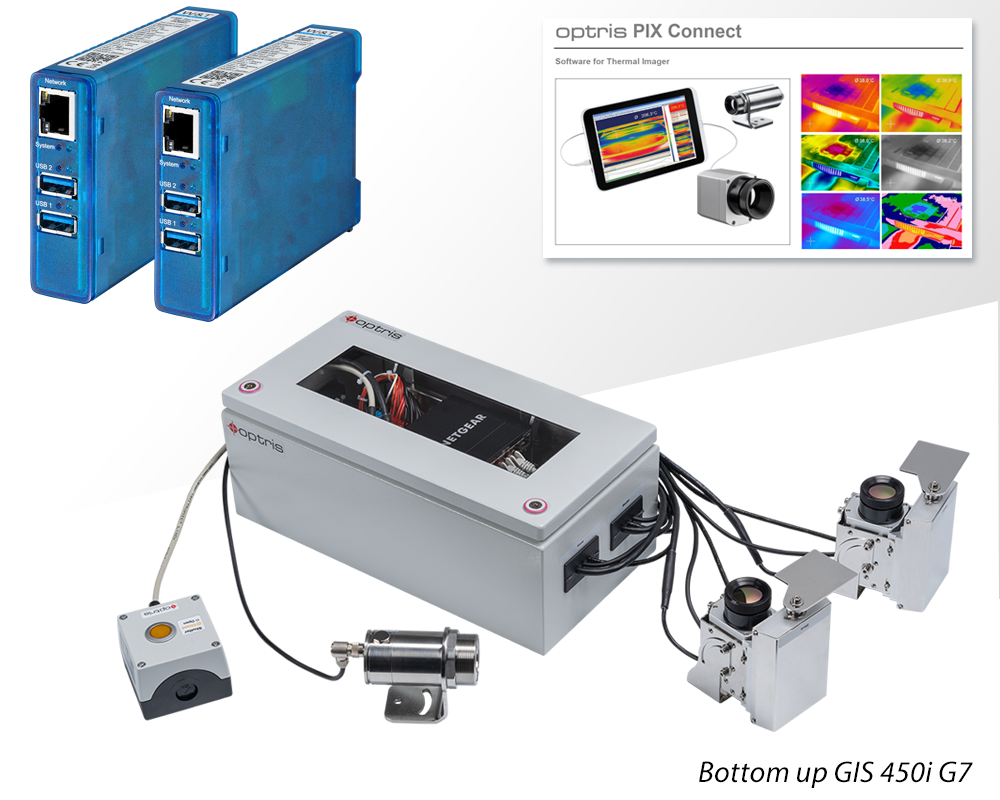
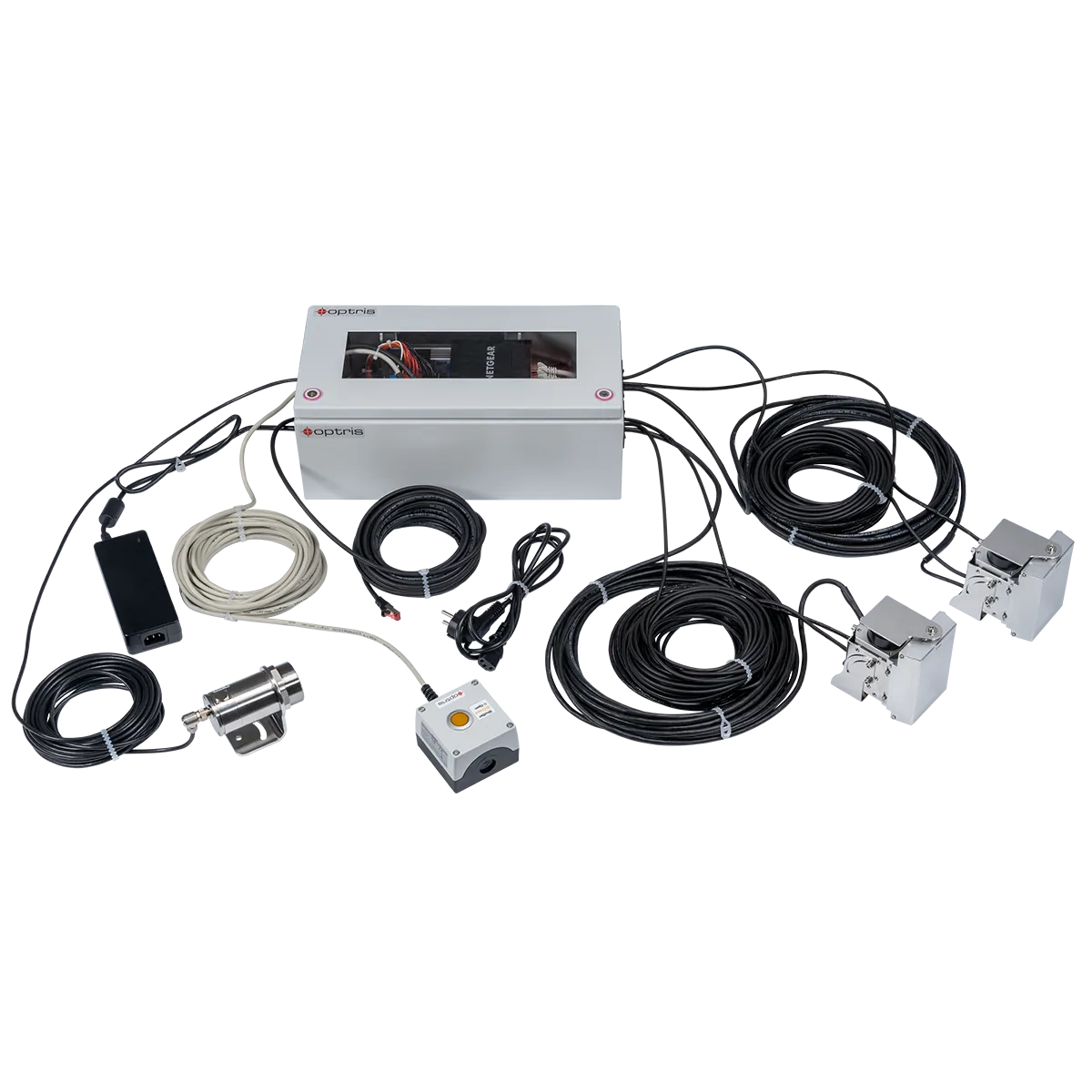
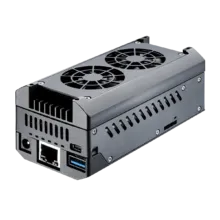
- 2x PI 450i infrared cameras
- 2x Industrial Process Interface
- CTlaser 4ML glass breakage sensor with USB interface
- 2x DCLP Shutter system with mounting brackets for imagers
- 2x USB Server Gigabit
- Control cabinet with cable set (10 m each) and remote control box
- Software package
- 100-230 V AC/ 24 V DC power supply for initial start-up


Talk to us about your IR Temperature Measurement Requirements
Our Infrared Temperature Measurement experts can help you find the right Optris product for your application.
