


Detecting Lubrication Issues in Gearbox Testing by IR Monitoring
Monitoring Temperature Rises to Ensure Gearbox Health and Preventing Damage in End-of-line Inspections
Challenge
Insufficient lubrication in gearboxes during end-of-line testing can cause uneven heating and serious mechanical damage, yet it is difficult to detect manually or through contact sensors, making traditional inspection methods time-consuming, unreliable, and unfit for automated production environments.
Solution
Automated thermal imaging captures surface temperature changes in sealed gearbox housings, enabling real-time detection of lubrication issues through heat distribution analysis, allowing immediate responses and integrating seamlessly into end-of-line test benches without interfering with other parallel processes.
Benefits
- Prevents mechanical damage by detecting lubrication faults before product shipment
- Reduces inspection time with fast, automated temperature monitoring
- Enhances testing accuracy without requiring physical sensor contact
- Enables immediate response to faults through automated alarm triggering
- Integrates easily into existing quality assurance and testing systems
Detecting Insufficient Lubrication during Gearbox Testing through Rise in Temperature
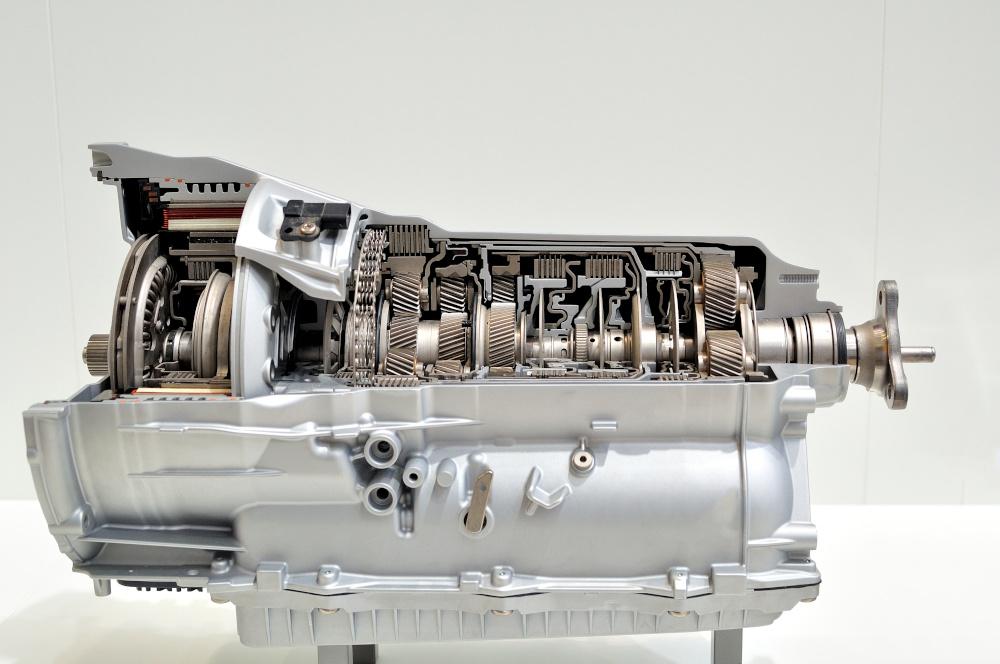
Lubrication is crucial for every transmission gearbox. If lubrication is too low or absent, friction between the gears increases the housing surface temperature, leading to excessive mechanical wear.
Once a vehicle is manufactured, it undergoes a test bench assessment before leaving the factory for sale. As part of the end-of-line testing, manufacturers need to check the thermal behavior of the gear transmission boxes. An excessively hot gearbox after a short drive or uneven heat distribution may indicate insufficient lubrication, necessitating further inspection. This inspection is vital because inadequate lubrication can cause the gearbox or differential housings to overheat, leading to permanent quality issues for the internal components if not detected in time.
Manually checking for sufficient lubrication in the gear housings is time-consuming and requires operators to be extremely meticulous during inspection, as thermal issues could be identified too late. Attaching contact temperature sensors to every gearbox is also impractical and labor-intensive in production. Lubrication cannot be visually checked in a bench test, and even if a temperature sensor is attached to the gearbox, it might be faulty or need connection to another test bench data acquisition system.
Implementing automated thermal imaging solutions can streamline this process.
Quickly Detecting Temperature Variations to Ensure Proper Lubrication and Preventing Gearbox Damage
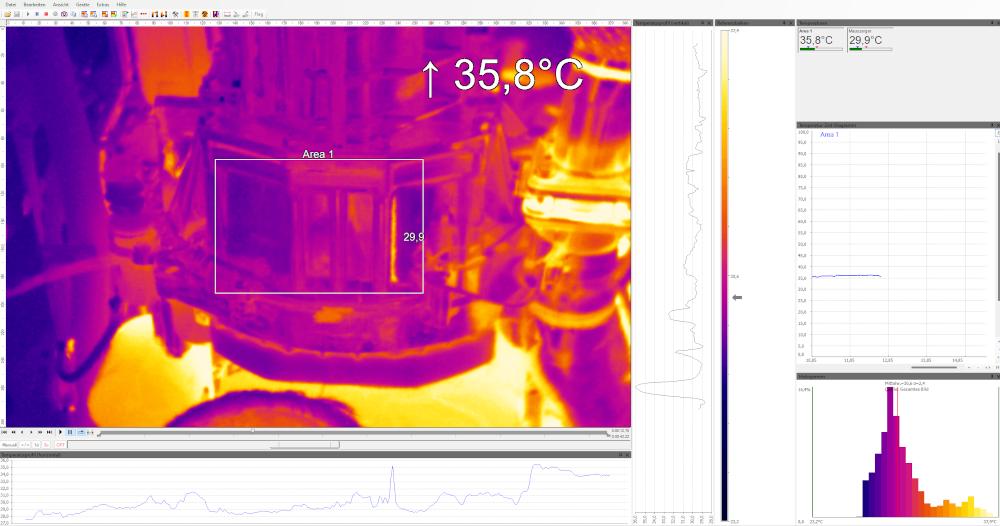
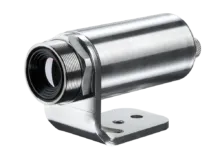
Thermal imaging cameras, such as the PI 640i, quickly and accurately detect temperature variations. They ensure that gearboxes are properly lubricated before they leave the factory, saving time and enhancing the reliability and quality of the final product.
Since the gearbox and differential housings are sealed and opaque, an infrared camera measures their surface temperature. Once the engine is switched on, the surface of the gearboxes becomes hot if the moving gear inside is insufficiently lubricated or not lubricated at all due to mechanical friction.
Low-temperature thermal imaging cameras, such as the PI 640i or the Xi 400, effectively measure the surface temperature. The lacquered metal boxes are advantageous as the coating increases their emissivity, allowing low-temperature thermal imaging cameras to be used. The speed of measurement is a key advantage, as Optris infrared cameras can connect to control systems to send visual, audible, or alarm signals at certain temperature thresholds. This ensures a quick response to fault situations, such as sending a signal to shut down the motor immediately if there is a risk of gear damages.
This testing process can also be automated, and thanks to the compact installation, the operator can now save time efficiently with minimal effort without negatively affecting parallel testing processes.
High Thermal Sensitivity and Fast Response: Essential for End-of-Line Gearbox Testing
The Optris Xi 400, Xi 410, and PI 640i thermal imaging cameras offer an advanced solution for quality assurance in final inspections, enabling fast and precise measurement of gearboxes and differential housings. Lubrication can decrease over time due to seal aging. By monitoring temperature distribution in real-time, the cameras can detect anomalies immediately and send signals to the appropriate control authorities for a prompt response.
These thermal cameras detect and communicate with peripheral devices such as data loggers, PLCs, and simple controllers. Their application extends beyond final inspection to include preventive maintenance of stationary motors used in these systems.
Optris infrared cameras provide detailed thermographic data, enabling immediate analysis and adjustment. They offer various communication options, including remote communication and adjustment via Ethernet networks, such as to the control room.
The sophisticated, license-free PIX Connect software opens up a wide range of possibilities for implementing a detection system that easily integrates into existing processes without disrupting manufacturing or inspection workflows. This enables customers to optimize and enhance the efficiency of their processes significantly.

Recommended Products









Other Automotive Applications








Talk to us about your IR Temperature Measurement Requirements
There are over 300 different pyrometer variants to choose from in the Optris infrared pyrometer portfolio each optimized for material, spot size, distance from the target, and environmental conditions. Fortunately, there is a trained engineer to phone or chat with to guide you through the process of choosing the perfect infrared sensor for your application.
The same support is available for the extensive IR camera product line.
