


IR Cameras & Pyrometers for Metal Industry
Ensuring Precision in Metal Processing
The Importance of Infrared Temperature Monitoring in Metal Industry
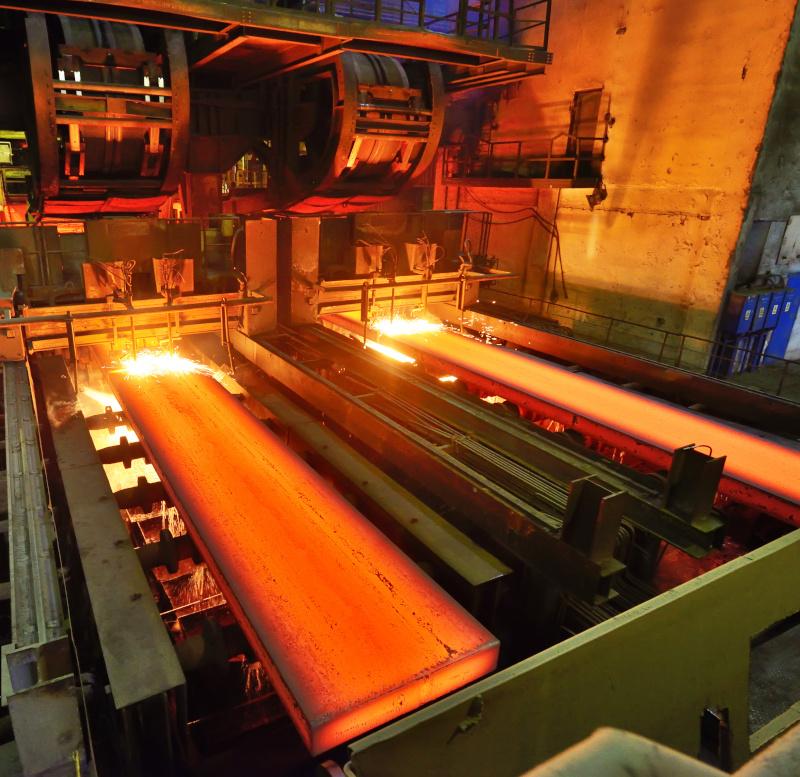
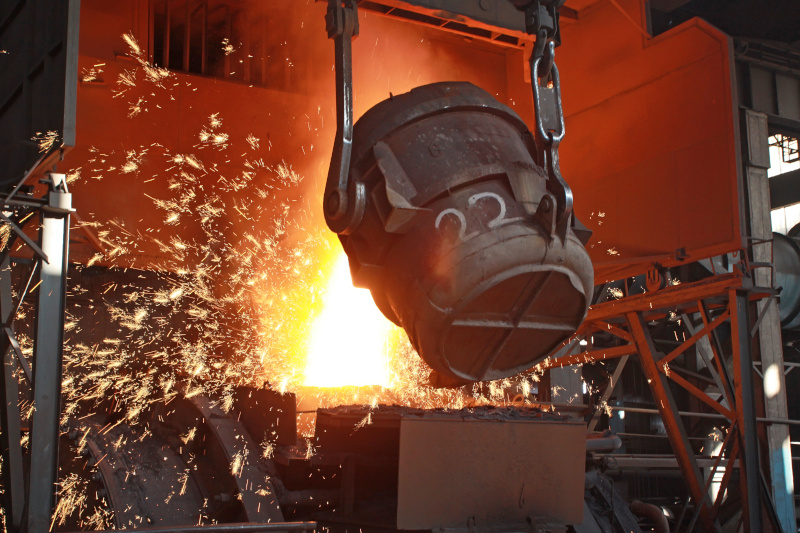
In metal production and processing, non-contact temperature monitoring is essential for optimizing procedures at temperatures up to 3000 °C, where contact thermometers have limited lifespans. Continuous monitoring is crucial in rolling mills, continuous casting plants, slag ladle cars, induction hardening, and die forging. Optris has developed infrared measurement devices for high temperatures and harsh environments, making temperature measurements on metal surfaces efficient and reliable.
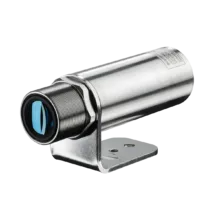
Optris utilizes state-of-the-art infrared cameras and thermometers to ensure precise monitoring, crucial for maintaining safety and optimizing processes. Their short-wavelength technology minimizes measurement errors, providing accurate readings on shiny surfaces even under challenging conditions. Optris’ two-color pyrometers compensate for varying emissivity, offering the highest accuracy available. Their robust, high-speed thermal imaging solutions are ideal for rapid processes, while features like dual laser sighting and customizable software integration enhance operational efficiency.
By choosing Optris, the metal industry benefits from enhanced safety, improved process control, and superior product quality. Accurate temperature control maintains the desired properties of metals, such as hardness, ductility, and strength. Infrared measurement prevents defects like warping, cracking, and inconsistent properties by providing real-time data on temperature variations, allowing for immediate adjustments. This ensures the production of high-quality metal products with consistent properties.
Metal Applications





Challenges of Infrared Non-Contact Temperature Measurement in the Metal Industry
In the metal industry, infrared (IR) non-contact temperature measurement faces several challenges. One significant issue is emissivity variation; different metals reflect infrared radiation differently, which can impact the accuracy of temperature readings. Adjusting emissivity settings on IR devices is crucial, yet this requires precise calibration for each material type to ensure accurate results.
Temperature gradients also pose a challenge. Metals often have varying temperatures across their surfaces, especially during processes like casting or forging. An IR sensor must be calibrated to account for these gradients, but this can be complex and requires advanced technology.
Furthermore, high ambient temperatures and process fumes can interfere with IR measurement. Infrared cameras may struggle with accuracy when exposed to extreme heat or smoke from molten metals. Ensuring that IR equipment remains unaffected by these environmental factors is essential for reliable measurements.
Benefits of Using IR Non-Contact Temperature Measurement in the Metal Industry
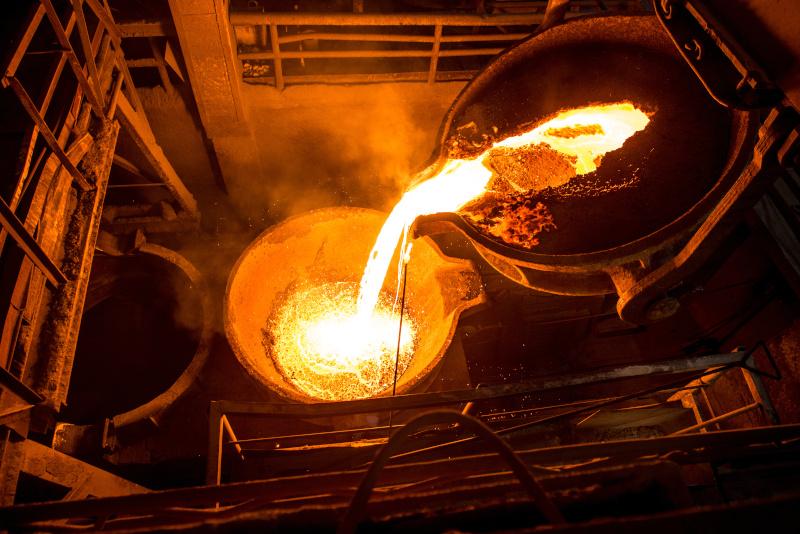
Despite these challenges, IR non-contact temperature measurement offers substantial benefits in the metal industry. One of the primary advantages is precision in high-temperature environments. IR sensors can measure temperatures without direct contact, making them ideal for molten metals and high-temperature processing where traditional sensors are impractical.
Real-time monitoring is another critical benefit. IR cameras provide continuous temperature data, allowing for immediate adjustments during manufacturing processes like extrusion and annealing. This capability enhances quality control by detecting and correcting temperature deviations promptly, ensuring that the metal properties remain consistent and within desired specifications.
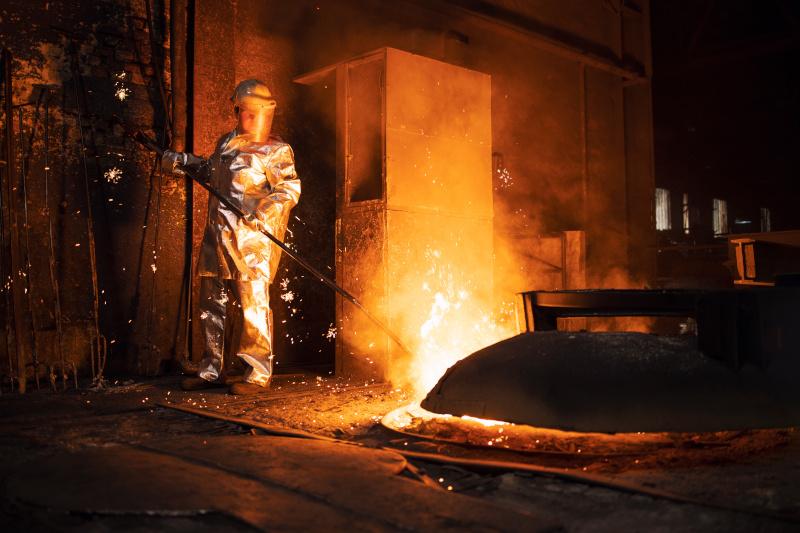
Additionally, safety improvements are significant. Non-contact measurement reduces the need for physical interaction with hot metals, lowering the risk of burns and equipment damage. This leads to safer working conditions and less frequent maintenance of sensors exposed to extreme temperatures.
Applications and Efficiency Gains
IR non-contact temperature measurement enhances efficiency in several key metal industry applications. In metal forging, precise temperature control helps in achieving optimal material properties and reducing defects. For casting processes, IR sensors monitor the cooling rates of molten metal, ensuring uniform solidification and reducing the likelihood of structural weaknesses.
In heat treatment processes, IR cameras help maintain the correct thermal profiles, which is crucial for achieving the desired hardness and mechanical properties. By integrating IR technology, manufacturers can streamline process control, reduce energy consumption, and enhance overall operational efficiency. The ability to quickly identify and address thermal anomalies leads to improved product consistency and reduced waste, ultimately contributing to a more sustainable and cost-effective manufacturing process.
Recommended Products













What Is the Right Solution for My Needs?
Click here to find the product that suits your demands.

Talk to us about your IR Temperature Measurement Requirements
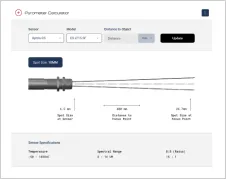
There are over 300 different pyrometer variants to choose from in the Optris infrared pyrometer portfolio each optimized for material, spot size, distance from the target, and environmental conditions. Fortunately, there is a trained engineer to phone or chat with to guide you through the process of choosing the perfect infrared sensor for your application.
The same support is available for the extensive IR camera product line.
