


IR Cameras & Pyrometers for Condition Monitoring
Thermal Imaging Applications for Predictive Maintenance
Why IR Temperature Measurement is Important for Condition Monitoring
Infrared (IR) temperature measurement is crucial for effective condition monitoring across various industrial applications. In electrical substation monitoring, IR cameras and pyrometers enable the detection of overheating components, such as busbars and control cabinets, which could signal potential failures. Accurate temperature readings help prevent costly breakdowns and ensure the reliable operation of critical electrical infrastructure.
For electrode wear detection in manufacturing processes, IR technology provides real-time monitoring of temperature variations. By identifying hotspots on electrodes, maintenance teams can address wear and tear before it affects production efficiency, thereby reducing downtime and extending equipment lifespan.
Control cabinet monitoring benefits from IR temperature measurement by providing insights into thermal anomalies within cabinets housing sensitive electronic components. Regular monitoring helps maintain optimal operating conditions and prevents overheating that could lead to equipment failure.
Busbar temperature monitoring is vital for managing electrical systems’ performance and safety. IR sensors track temperature changes, ensuring that busbars operate within safe limits and preventing potential overheating that could cause system failures.
In valve hall monitoring, IR technology assists in maintaining proper thermal conditions, reducing the risk of valve malfunction and ensuring smooth operation. Overall, IR temperature measurement enhances condition monitoring by offering precise, real-time data to improve reliability and performance across various industrial systems.

Condition Monitoring Applications







Challenges of IR Non-Contact Temperature Measurement for Condition Monitoring
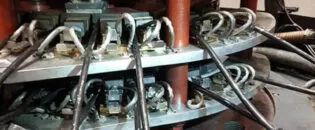
A significant challenge in using IR non-contact temperature measurement for condition monitoring is dealing with emissivity variations. In applications like electrical substation monitoring and busbar temperature monitoring, different materials such as metallic surfaces and insulating materials exhibit varying emissivity values.
Environmental conditions can interfere with the accuracy of IR measurements. Factors such as dust, high humidity, or ambient heat can affect the performance of IR sensors, especially in environments like control cabinets and valve halls. These conditions can scatter or absorb infrared radiation, leading to distorted readings. Ensuring clean sensor lenses and optimizing placement in such challenging environments is essential but can be difficult, impacting the reliability of condition monitoring and potentially compromising fire prevention measures.
IR sensors must be sensitive enough to detect small temperature changes that could indicate early signs of issues such as electrode wear detection or faults in electrical components. Inaccurate or low-resolution sensors may miss these subtle variations, resulting in late detection of potential problems. This can hinder timely maintenance actions and increase the risk of equipment failure or fire hazards, underscoring the need for high-quality, precise IR sensors in condition monitoring systems.
IR Temperature Measurement Benefits for Effective Condition Monitoring
IR non-contact temperature measurement provides substantial benefits for condition monitoring, significantly enhancing safety, reliability, and cost-effectiveness. One of the primary advantages is enhanced safety and risk reduction. By detecting overheating and potential fire risks early, IR technology allows for timely intervention. In critical areas such as electrical substation monitoring and busbar temperature monitoring, IR cameras identify abnormal temperature patterns that could signal impending equipment failures or fires. This early warning enables maintenance teams to address issues before they escalate, thereby reducing safety risks and improving overall protection.
Additionally, IR technology contributes to improved equipment reliability. By using IR sensors for electrode wear detection and control cabinet monitoring, organizations can ensure that equipment remains within safe operating conditions. Real-time temperature data provided by IR sensors facilitates proactive maintenance and adjustments, preventing unexpected breakdowns and extending the lifespan of critical components. This proactive approach helps maintain consistent operational efficiency.
Moreover, IR temperature measurement supports cost-effective maintenance by enabling predictive maintenance. By identifying potential issues before they require costly repairs or replacements, IR sensors minimize the need for disruptive inspections. This allows for maintenance to be scheduled based on actual data rather than routine intervals, leading to significant cost savings and reduced downtime.

Improving Operational Efficiency with IR Measurement Solutions
Integrating IR non-contact temperature measurement into condition monitoring systems offers notable efficiency gains. In electrical substation monitoring, it provides continuous oversight of critical components, ensuring that issues are addressed before they affect operations. Busbar temperature monitoring helps maintain safe temperature ranges, preventing overheating and potential failures.
In electrode wear detection, IR technology enables accurate monitoring of temperature changes, which is crucial for maintaining production quality and preventing costly disruptions. Control cabinet monitoring benefits from early detection of thermal anomalies, ensuring that sensitive electronic components operate within safe limits.
Overall, IR temperature measurement enriches condition monitoring by delivering accurate, real-time data that facilitates proactive maintenance. This leads to improved safety, enhanced reliability, and increased cost-efficiency across various industrial applications, making IR technology a valuable asset for operational excellence.
What Is the Right Solution for My Needs?
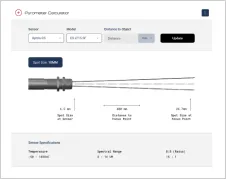
Click here to find the product that suits your demands.

Talk to us about your IR Temperature Measurement Requirements
There are over 300 different pyrometer variants to choose from in the Optris infrared pyrometer portfolio each optimized for material, spot size, distance from the target, and environmental conditions. Fortunately, there is a trained engineer to phone or chat with to guide you through the process of choosing the perfect infrared sensor for your application.
The same support is available for the extensive IR camera product line.
