

Infrared Monitoring for Optimal Pavement Quality, Longevity and Durability
Challenges in Maintaining Asphalt Concrete Temperature During Paving and Results of Implementing Infrared Temperature Monitoring
Challenge
Maintaining asphalt above 150°C during transport and paving is crucial to prevent premature wear, cracking, and failure. Traditional manual temperature checks are inaccurate and do not allow for continuous monitoring, risking non-compliance with regulations and reduced pavement lifespan.
Solution
Thermal cameras mounted on the paver continuously monitor asphalt temperature across its width, ensuring it stays above 150°C. Real-time alarms and integration with control systems allow immediate response to temperature drops, preventing poor-quality paving and enabling process automation.
Benefits
- Ensures consistent pavement quality by preventing suboptimal asphalt application.
- Minimizes road damage risks through early detection of cold spots.
- Reduces long-term repair and maintenance costs significantly.
- Supports compliance with regulatory standards and warranty requirements.
- Enhances process automation and operator response efficiency.
Regulatory Requirements Driving the Need for Infrared Monitoring
Maintaining the correct temperature during asphalt paving is critical to ensuring the longevity and quality of the pavement. Asphalt is delivered from the mixing plant to the paving site in trucks, where it must be kept above a temperature of 150 °C. If the temperature drops below this threshold, the bitumen in the asphalt will begin to bind and cannot be re-liquefied through reheating. This creates a significant challenge for paving crews, as they must ensure that the asphalt remains at the optimal temperature from the truck to the final placement on the road.
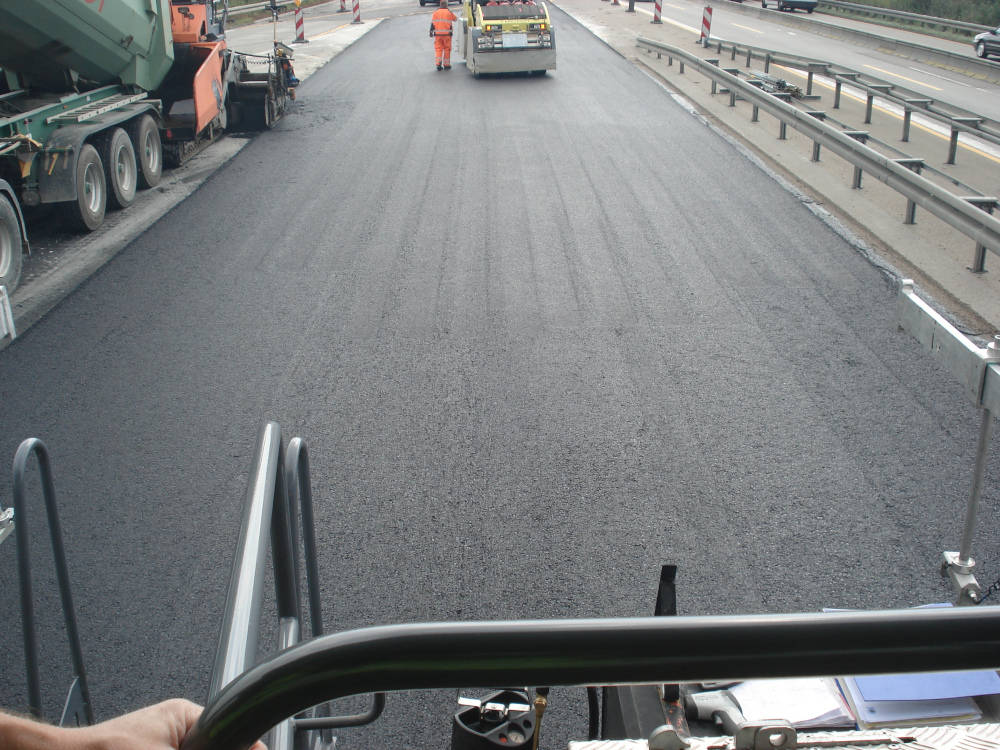
The process of applying asphalt involves spreading it on the ground, followed by compression with rollers. If the temperature drops below the critical 150 °C during this process, the asphalt can cool too quickly, leading to poor binding and the formation of cracks. This not only reduces the quality of the pavement but also results in premature wear, requiring costly repairs and potential safety hazards on the road.
Temperature monitoring has traditionally been a challenge in asphalt paving. Manual methods, such as inserting probes into the asphalt, are prone to inaccuracies and do not provide continuous monitoring. This limitation creates a need for a more reliable and automated solution that can ensure the asphalt remains at the desired temperature throughout the paving process. The motivation behind implementing infrared temperature measurement is to achieve consistent quality in asphalt pavements, reduce the need for rework, and comply with stringent industry standards, particularly those mandated by regulatory bodies like the European Union, which requires a 15-year warranty on highway asphalt.
Real-Time Monitoring of Asphalt Temperature for Automated Alarm and Integration with Machinery
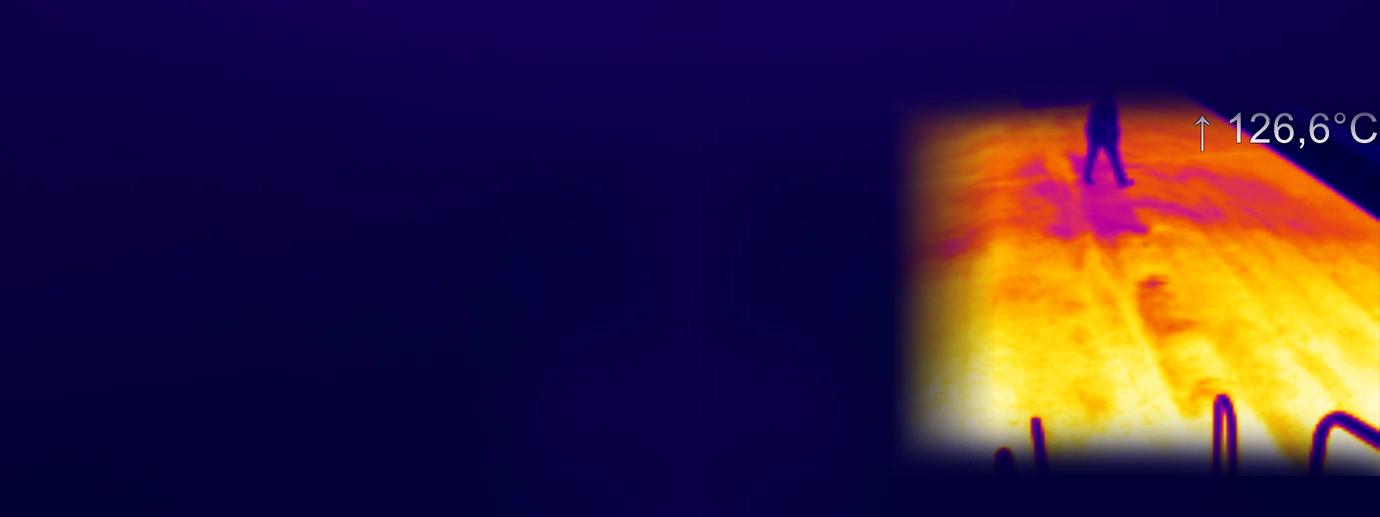
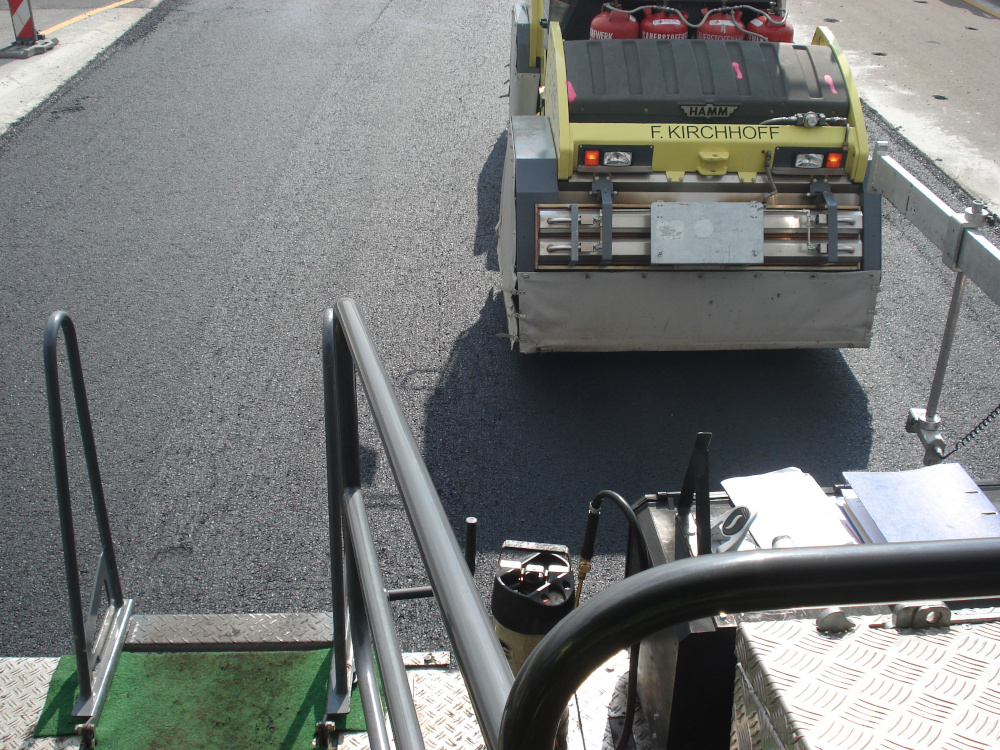
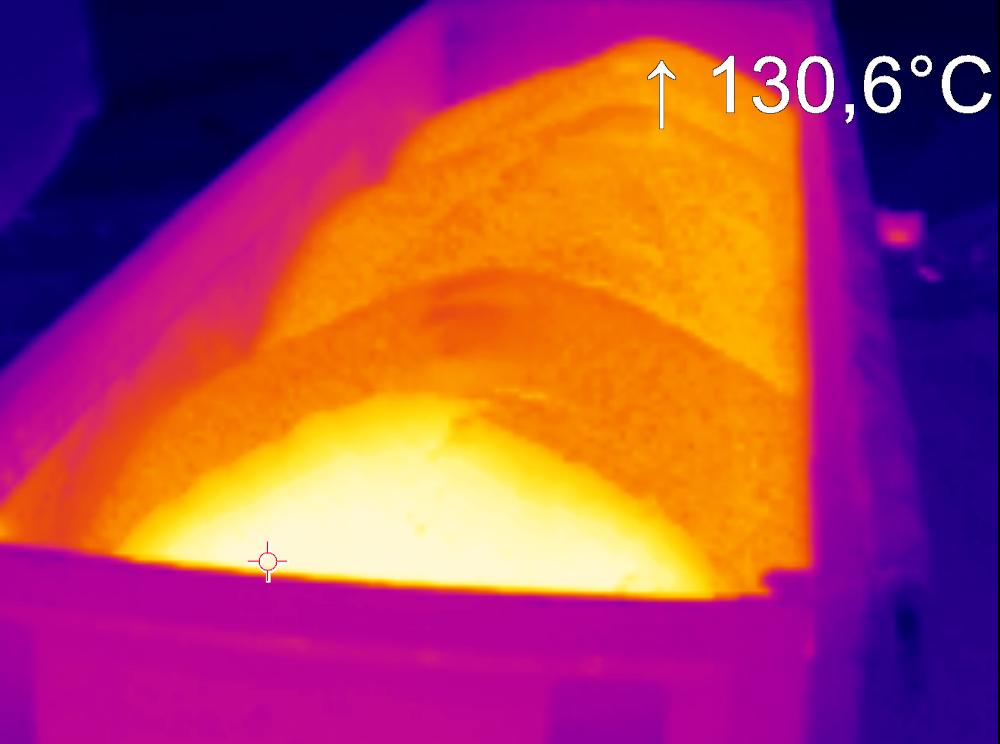
Optris has developed a solution centered around its advanced infrared cameras to address the challenges of maintaining asphalt temperature. Implementing an Optris thermal camera on the asphalt paver provides a continuous and accurate measurement of the asphalt temperature as it is applied to the road surface. Positioned above the area where the asphalt is laid, the camera monitors the temperature in real-time, ensuring it remains above the critical 150 °C threshold. This real-time monitoring feature provides a constant reassurance of the asphalt’s quality.
The infrared camera is configured with a large rectangular measurement field, enabling it to capture the entire width of the applied asphalt. This configuration allows for precise monitoring of temperature variations across the surface, identifying any potential cold spots. In its initial deployment, the operator monitored the thermal camera via a display screen, but the system has since been upgraded to include an automated alarm function. This alarm alerts the operator if the temperature drops below 150 °C, enabling immediate corrective action.
Moreover, the system has been integrated with the paver’s control systems via the Direct SDK, allowing for automatic halting of the paving process if the temperature falls below the desired level. This integration ensures that no substandard asphalt is applied, thus maintaining the quality and durability of the pavement. Using an Optris infrared camera over other methods, such as multiple pyrometers, is more efficient and cost-effective, requiring fewer sensors and providing a broader coverage area.
Cost Savings Through Reduced Maintenance and Repairs by Ensuring Pavement Durability
The implementation of Optris infrared cameras for asphalt temperature monitoring has led to significant improvements in the quality and durability of paved roads. By ensuring that the asphalt remains above the critical temperature throughout the paving process, the likelihood of cracks and premature wear has been greatly reduced. This results in fewer repairs and lower maintenance costs over the pavement’s lifespan, directly benefiting both the contractors and the end-users.
The precision and reliability of Optris infrared technology have made it the preferred choice for asphalt monitoring. Its ability to provide continuous, real-time data ensures that any temperature deviations are quickly detected and corrected, preventing potential issues before they can affect the quality of the pavement. The unique selling points of Optris cameras include their wide field of view, easy integration with existing machinery, and the robustness to withstand the harsh conditions of a construction site.
Moreover, the use of infrared technology in asphalt monitoring is in line with industry trends toward greater automation and precision in construction processes. As more contractors recognize the benefits of infrared temperature measurement, Optris continues to be at the forefront, providing cutting-edge solutions that meet the demanding needs of modern road construction.
Recommended Products









Other General Manufacturing Applications



Talk to us about your IR Temperature Measurement Requirements
There are over 300 different pyrometer variants to choose from in the Optris infrared pyrometer portfolio each optimized for material, spot size, distance from the target, and environmental conditions. Fortunately, there is a trained engineer to phone or chat with to guide you through the process of choosing the perfect infrared sensor for your application.
The same support is available for the extensive IR camera product line.
