


Thermal Imaging for Fire Prevention in Industrial Galvanization Processes
Reliable Fire Safety in Galvanization: How Infrared Cameras Improve Monitoring
Challenge
In high-current galvanization, excessive heat builds up at electrical contact points, especially in corrosive environments. This can lead to localized overheating, damaged components, and increased fire risk, particularly in the presence of flammable gases. Reliable, continuous temperature monitoring is critical for ensuring safety and preventing operational disruptions.
Solution
Infrared thermal monitoring enables continuous, real-time detection of overheating at critical points in galvanization baths. The system integrates with plant controls to trigger automatic interventions, such as reducing current flow, ensuring rapid response to temperature spikes and minimizing fire hazards without interrupting the galvanization process.
Benefits
- Minimizes fire risk by identifying and responding to temperature spikes early
- Improves worker and equipment safety in corrosive, high-current environments
- Enables automatic process control responses to overheating without manual intervention
- Reduces unplanned downtime by preventing damage to contacts and electrodes
- Ensures smoother, more reliable galvanization operations with continuous thermal oversight
Causes of Overheating in High-Current Galvanization Systems
The galvanization process is widely used in industries like automotive to apply a metallic coating to various parts. This process involves immersing electrically conductive materials into a galvanic bath containing metal ions, which are deposited onto the surface when an electric current is applied. The bath is typically made of non-reactive materials like PTFE or ceramics to avoid contamination or corrosion. Despite its efficiency and cost-effectiveness compared to other methods like sputtering, galvanization poses significant challenges, particularly in maintaining safe temperatures.
One of the primary concerns in galvanization is the generation of heat due to high electrical currents. These currents can create hotspots at connection points, leading to localized overheating. In the harsh, corrosive environment of a galvanic bath, electrodes and electrical contacts may degrade, exacerbating this issue. Over time, this overheating can result in temperature spikes that may cause fires, especially in the presence of flammable gases generated during the process. Temperature monitoring becomes essential to prevent these risks, offering a reliable way to detect and address overheating before it leads to dangerous situations. Ensuring proper thermal management in such hazardous environments is a key motivator for adopting infrared temperature measurement solutions.


Real-Time Alerts for Overheating During Metal Galvanization Processes
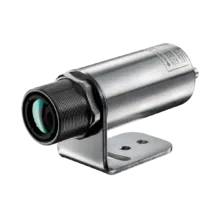
For monitoring temperatures in galvanization processes, the Optris infrared cameras offer precise and reliable solutions. The Optris Xi 400 and PI 640i thermal cameras are particularly effective due to their high-resolution imaging capabilities and real-time monitoring features.
The Optris Xi 400 thermal imager provides 382 x 288 pixel resolution and an impressive distance-to-spot-size ratio of 390:1, which allows it to detect small overheating areas even in large galvanic baths. With a temperature range of -20 °C to 900 °C, and optional extension up to 1500 °C, the Xi 400 can capture critical thermal data over a wide range of operating conditions. It also features a fast 80 Hz frame rate, which ensures that rapid temperature changes are accurately tracked, enabling real-time detection of overheating. The motorized focus allows flexibility in setup and easy adaptation to varying distances. The camera’s IP67 enclosure makes it highly resistant to the corrosive environment typical in galvanization plants. Additionally, its robust design ensures longevity and reliability in harsh industrial settings.
The Optris PI 640i offers an even higher resolution with 640 x 480 pixels, providing highly detailed thermal images. This camera’s sensitivity of 40 mK enables the detection of minor temperature fluctuations, critical for early fire prevention. With interchangeable lenses ranging from 15° to 90° fields of view, the PI 640i provides versatility for different plant setups. It also supports a frame rate of 32 Hz or 125 Hz in subframe mode, making it suitable for monitoring fast-changing temperature conditions. The device integrates easily into existing control systems via USB or Gigabit Ethernet, ensuring seamless data transfer and quick response times in case of temperature spikes
Both camera systems are connected to the plant’s process control system, allowing for automated actions such as reducing current flow or shutting down parts of the system when critical temperatures are detected. This real-time monitoring ensures that overheating is addressed before it leads to potential fire hazards.
Reliable Fire Prevention with Infrared Thermal Monitoring during Galvanization Processes
By incorporating Optris infrared temperature measurement systems, galvanization facilities can significantly reduce the risk of fires, ensuring the safety of both equipment and personnel. The Optris Xi 400 and PI 640i provide accurate, continuous monitoring of critical areas where overheating is likely to occur. These cameras help detect potential problems before they escalate, preventing costly damage and downtime. The thermal data provided by these cameras allow for early detection of even minor temperature anomalies. This early intervention reduces the risk of fires and enables smoother process control. Additionally, the robust construction of both the Xi 400 and PI 640i ensures that they withstand the harsh conditions typical in galvanic environments, offering long-term reliability with minimal maintenance. The Optris PI 640i‘s exceptional thermal sensitivity (40 mK) and high optical resolution (640 x 480 pixels) make it ideal for monitoring complex, fast-changing processes. Its ability to capture detailed temperature data allows for precise process adjustments, improving efficiency and reducing the need for manual intervention. The Optris Xi 400, with its compact size and powerful distance-to-spot-size ratio, is particularly suited for installations in space-constrained or large-scale galvanization setups, providing flexibility and cost-efficiency. In addition to their technical strengths, both systems integrate effortlessly into industrial process networks. The fail-safe mechanisms and comprehensive process interfaces (PIF) ensure reliable operation, even in the event of a system failure. This level of integration makes the Optris systems an ideal choice for companies that prioritize safety, reliability, and efficiency.

Recommended Products







Other Metal Applications






Talk to us about your IR Temperature Measurement Requirements
There are over 300 different pyrometer variants to choose from in the Optris infrared pyrometer portfolio each optimized for material, spot size, distance from the target, and environmental conditions. Fortunately, there is a trained engineer to phone or chat with to guide you through the process of choosing the perfect infrared sensor for your application.
The same support is available for the extensive IR camera product line.
