


Focal Length
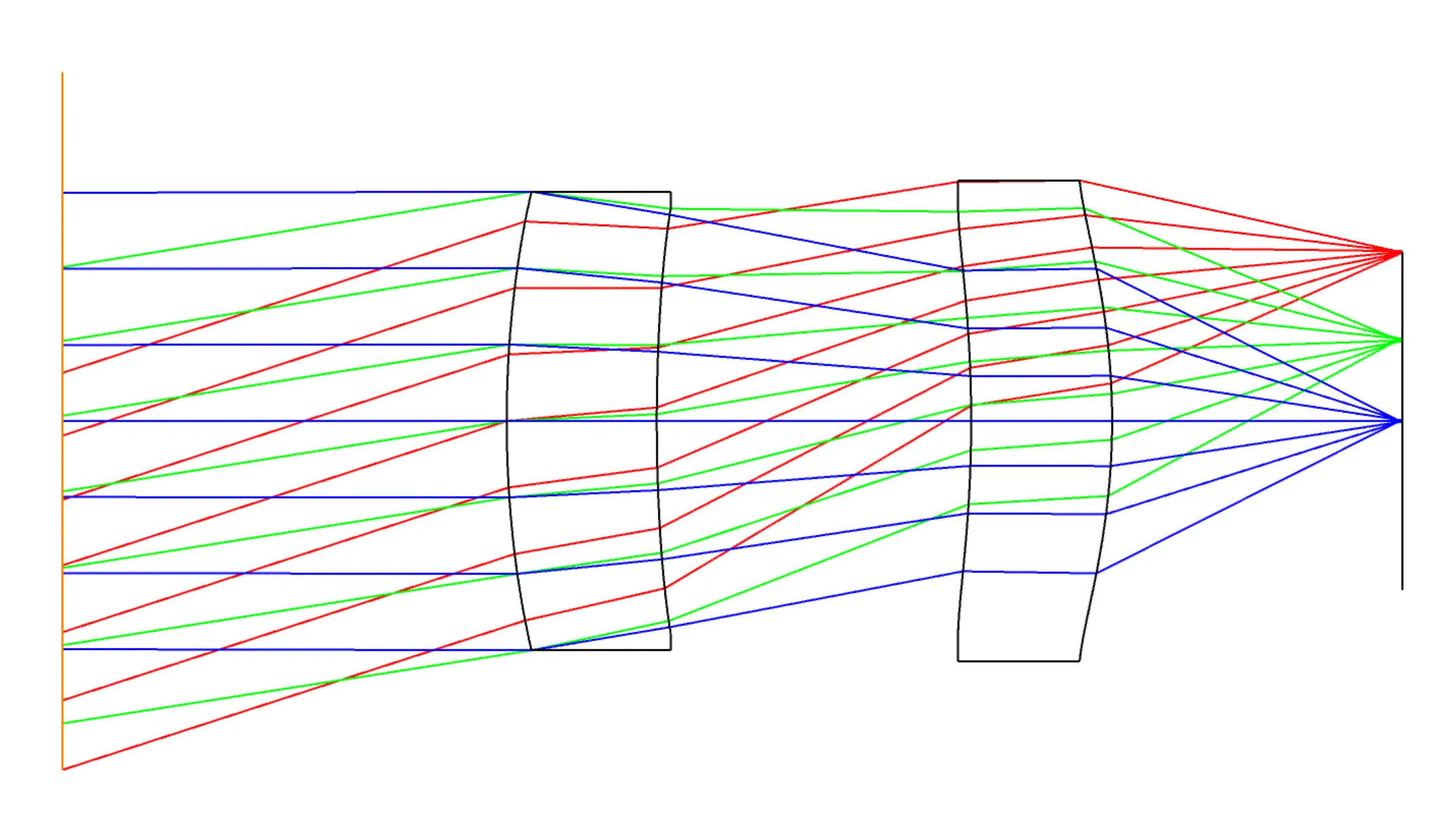
The focal length is a crucial measure in optics as it describes the refractive power of a system. It signifies the distance between the principal plane of the optics and the focal point. This measurement is inversely related to the system’s ability to focus light. Together with the aperture diameter, the focal length determines the F-number of an optical system, providing a comprehensive description of the lens configuration.
In the context of temperature measurement, a long focal length improves the range of a pyrometer or thermal imaging camera, enabling precise optical resolution of a target at a long distance. Maintaining the same distance and increasing the focal length of the measuring device increases the accuracy of the measurement. However, harsh environments or limited accessibility may hinder achieving a short measurement distance.
Increasing the focal length improves the optical resolution or D:S ratio, resulting in a smaller measurement spot and allowing temperature measurement of small targets. A large focal length combined with short distances enables microscopic inspection of the measurement object. Optics with a magnification larger than one provide optical resolution of target sizes in the dimension of the pixel size. When measuring micro-scale targets, the numerical aperture of the object side must be considered in addition to the F-number (or image numerical aperture) of the detector side.
Generally, as the focal length increases, so does the size of the instrument. This explains why telephoto optics are bulkier compared to wide-angle optics. The focal length is directly linked to the field of view (FOV) of the measurement device. A short focal length produces a wide FOV and provides large-area monitoring for a quick overview.
However, the FOV depends not only on the focal length but also on the sensor size. This makes it necessary to consider these parameters in combination when dealing with thermography cameras. With the trend towards decreasing pixel sizes, smaller sensors can accommodate shorter focal lengths with the same field of view, enabling the development of more compact and lighter devices.
Back to Lexicon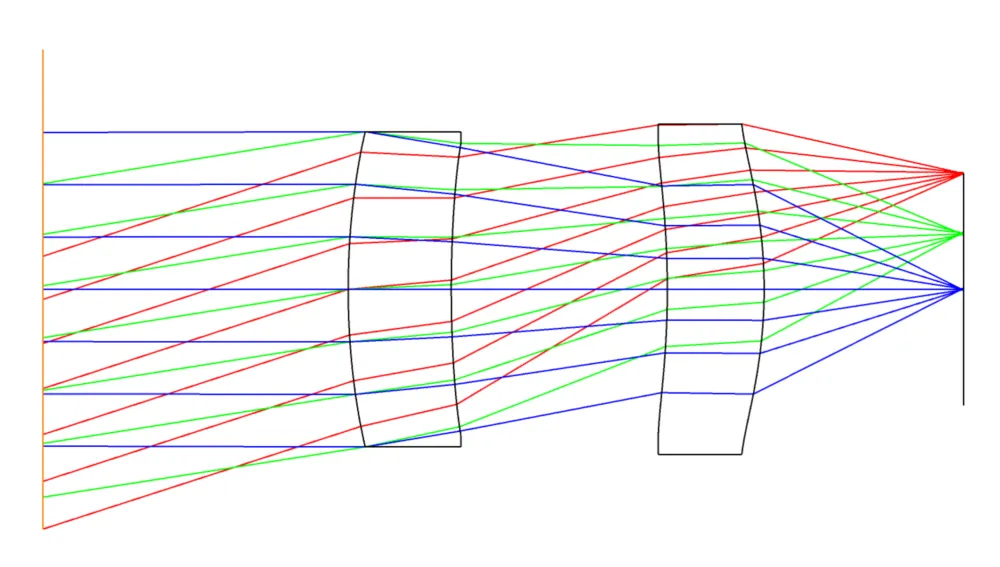
Recommended Products





Talk to us about your IR Temperature Measurement Requirements
Our Infrared Temperature Measurement experts can help you find the right Optris product for your application.
