


Infrared Radiation
Infrared radiation (IR) is a type of electromagnetic radiation with wavelengths longer than visible light but shorter than microwave radiation. It is emitted by all objects based on their temperature due to the thermal motion of molecules and atoms within the object. This emission is often referred to as thermal radiation. The higher the temperature of an object, the more infrared radiation it emits. The amount and wavelength of the emitted radiation depend on the object’s temperature, following Planck’s law. The effectiveness with which an object emits infrared radiation is characterized by its emissivity, a value between 0 and 1. Infrared radiation can penetrate certain materials depending on the material’s transmissivity, reflectivity, and absorptivity.
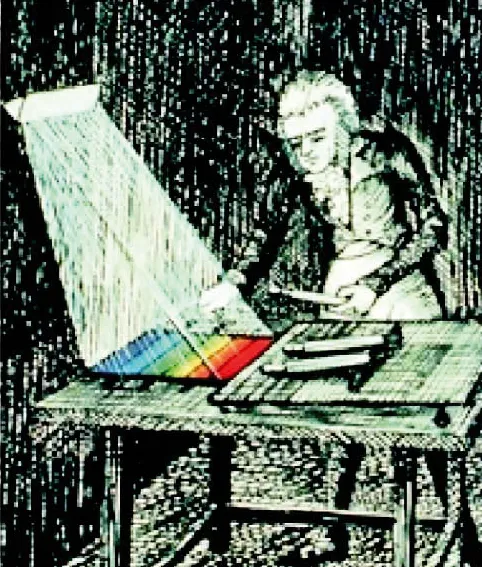
The discovery of infrared radiation is a significant milestone in the history of science. In 1800, astronomer William Herschel conducted experiments to measure the temperature of different light colors. His findings that the region just beyond the red part of the visible spectrum was warmer than visible light led to the groundbreaking discovery of infrared radiation.
Infrared radiation is often subdivided into three regions based on wavelength: near-infrared (NIR), short-wavelength infrared (SWIR), mid-wavelength infrared (MWIR), and long-wavelength infrared (LWIR). Each spectral region has unique properties and applications, making it essential to understand their differences and potential uses in various fields.
As all objects emit infrared radiation as a function of their temperature, infrared thermometry leverages this natural phenomenon to measure and quantify the intensity of the emitted infrared radiation. This measurement principle usually requires a clear line of sight to the target object for accurate readings, but dust, smoke, or obstructions of the optical path can affect measurement accuracy.
Back to Lexicon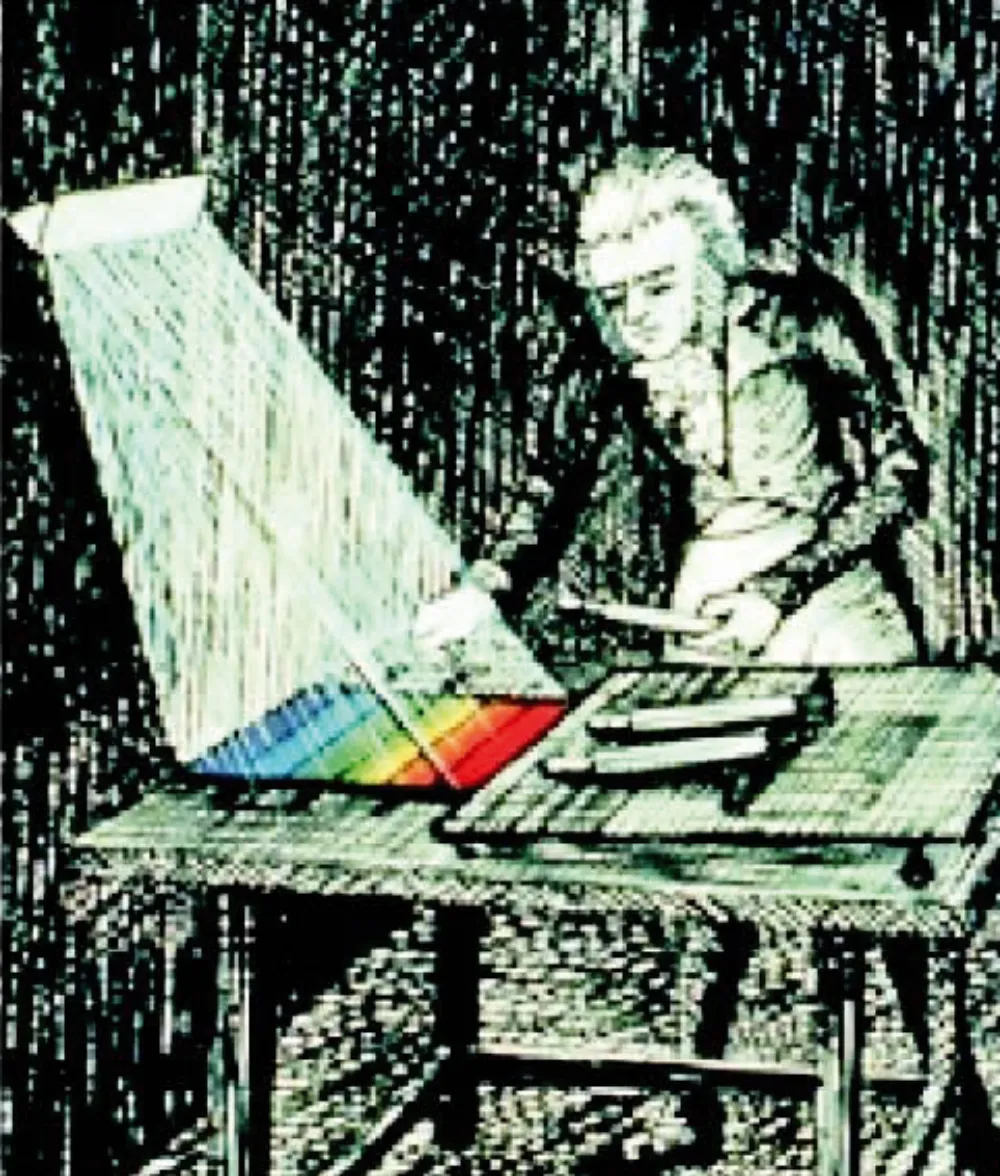

Talk to us about your IR Temperature Measurement Requirements
Our Infrared Temperature Measurement experts can help you find the right Optris product for your application.
