


Polarization
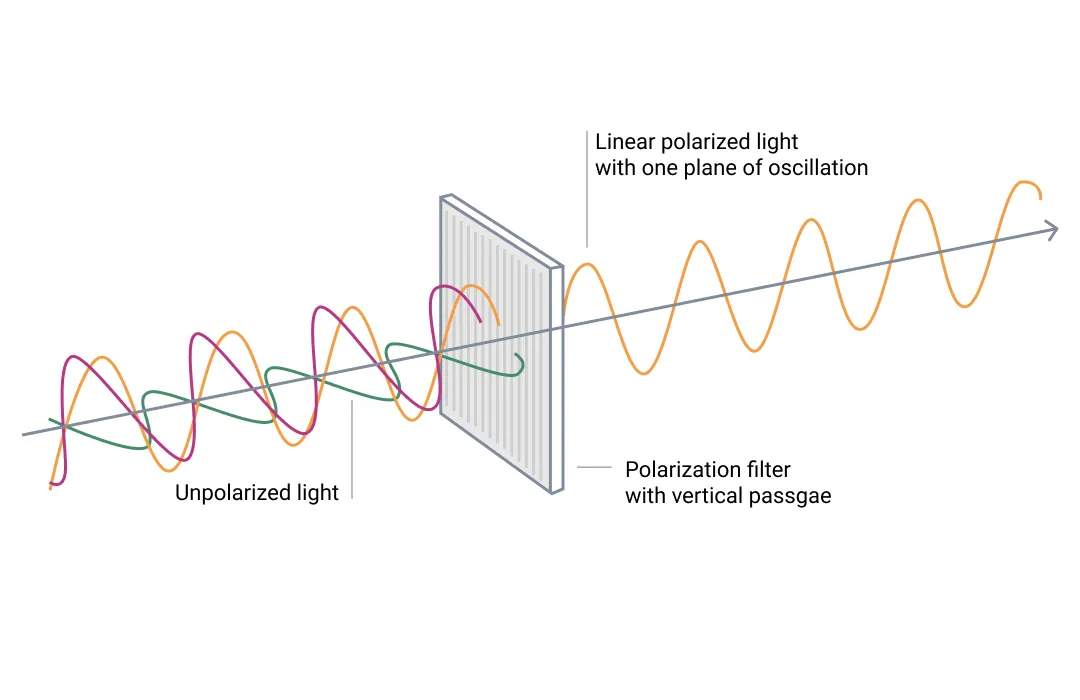
Polarization in the context of infrared sensing refers to the orientation of the electric field vector of infrared electromagnetic waves. When infrared radiation interacts with surfaces or passes through materials, its polarization state can change due to surface properties, material composition, and geometrical features of the object being observed. In infrared sensing, polarization can be challenging for very low-budget infrared intensity-based measurements, as some infrared detectors can have polarization cross-dependency.
For instance, if an infrared sensor measures highly polarized infrared radiation and is then turned around its axes by 90° while still pointing at the target, it may result in different readings, demonstrating very low repeatability. To mitigate this, detectors, filters, and lenses must receive special attention in the design of the infrared instrument, and additional utilization of depolarization filters might need to be considered.
However, polarization can also be a measurement of interest in some niche applications. For instance, when an infrared sensor sensitive to polarization can detect and analyze the direction and degree of polarization of the incident infrared radiation, it allows for the differentiation between surfaces with varying reflective properties, even if they have similar thermal emissions. This enables the identification of surface anomalies, defects, or contaminants, as different textures or materials will polarize infrared light differently.
Back to Lexicon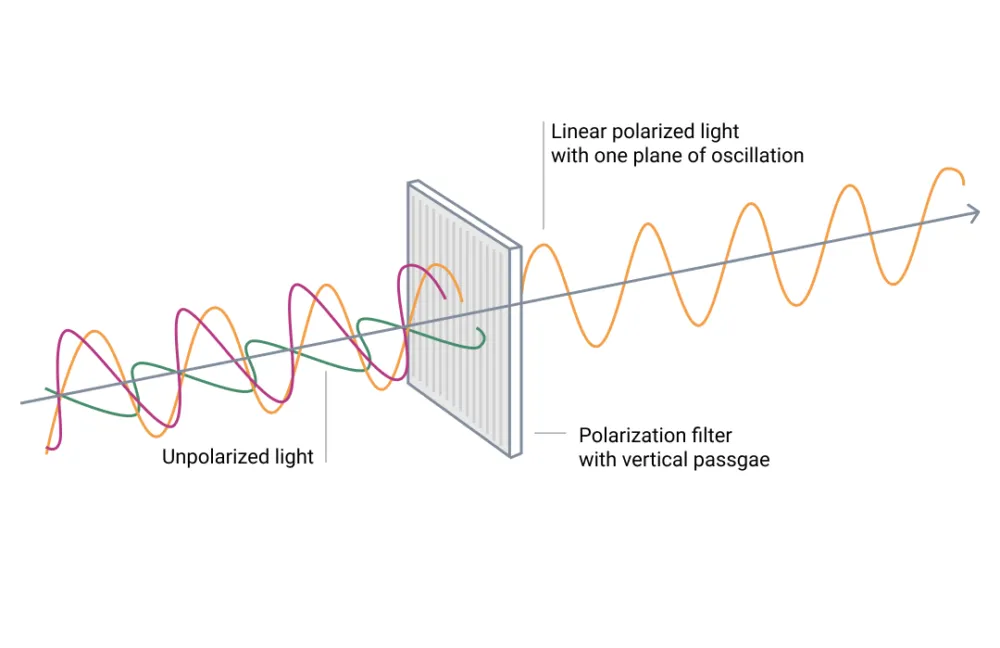

Talk to us about your IR Temperature Measurement Requirements
Our Infrared Temperature Measurement experts can help you find the right Optris product for your application.
